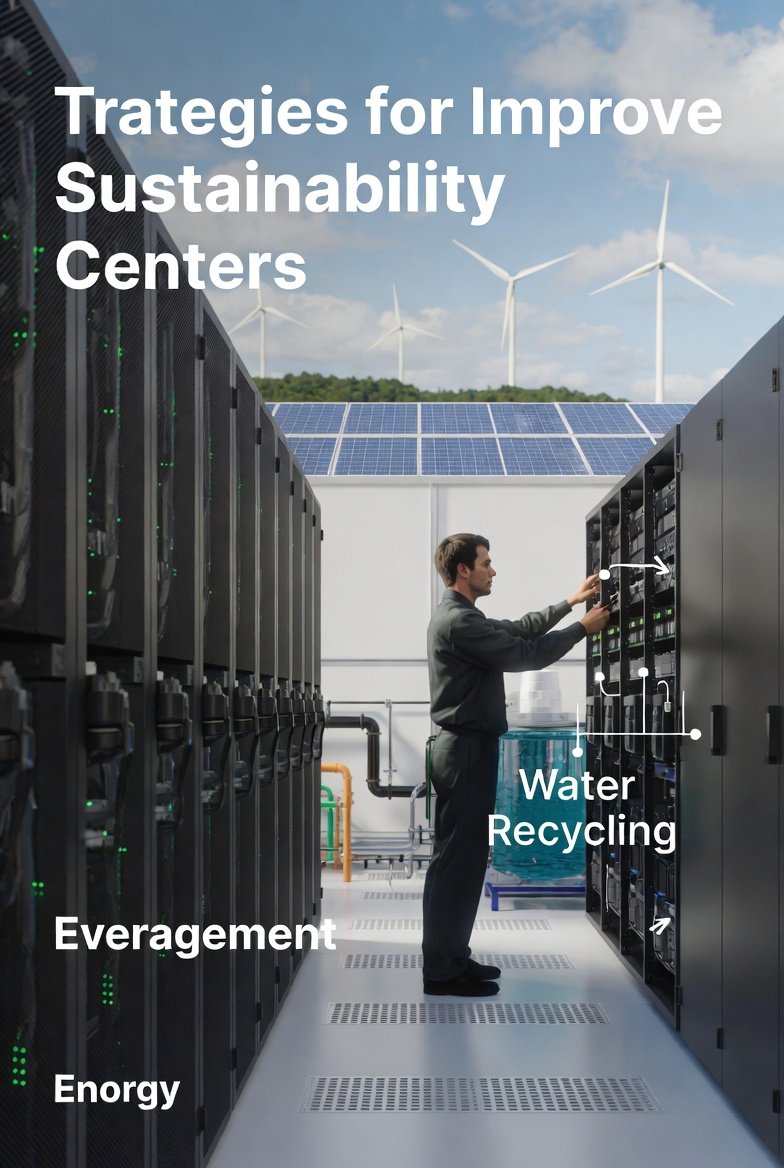
Improving Sustainability in Data Centers Strategies for a Greener Future
The digital revolution has redefined how we live, work, and interact, but this rapid growth in technology infrastructure comes at a significant environmental cost. Data centers, which serve as the heart of our digital economy, have emerged as key culprits in the escalating energy consumption and greenhouse gas emissions that threaten our planet’s health. With increasing awareness of climate change and its implications, improving sustainability in data centers has transitioned from an optional consideration to a critical necessity. As companies explore strategies to enhance their eco-friendliness, the quest for more sustainable practices has never been more urgent. This article will delve into innovative strategies to create greener data centers, reduce energy costs, and contribute to a more sustainable future.
Many organizations are actively seeking ways to reduce their carbon footprints while ensuring their operations remain efficient and reliable. The intersection of technology and sustainability creates opportunities for innovation and increased efficiency. By adopting responsible energy practices, data centers can embody the principles of environmental stewardship while still meeting the demands of an ever-expanding digital landscape. With a growing number of stakeholders prioritizing corporate responsibility, capitalizing on sustainability efforts is not just good for the planet; it’s good for business too.
Among the myriad strategies available, energy efficiency stands out as a cornerstone of sustainability in data centers. Through various initiatives—ranging from hardware upgrades to software optimization—organizations can make significant strides in reducing their energy consumption. A data center that actively implements eco-friendly practices not only helps combat climate change but also enhances its operational resilience, preparing it for future challenges in infrastructure management.
Investing in Energy-Efficient Hardware
One of the most impactful strategies for reducing energy consumption in data centers is the investment in energy-efficient hardware. Modern server technologies are designed to operate with a lower energy footprint while delivering superior performance. Upgrading aging infrastructure can yield significant savings in energy costs, as newer models typically utilize advanced power management technologies that dynamically adjust power usage based on demand.
Additionally, integrating virtualization technologies allows multiple workloads to run on fewer physical servers, effectively maximizing resource utilization and minimizing waste. By consolidating workloads onto high-performance servers, data centers can drastically reduce their power and cooling requirements. This approach not only translates to reduced energy costs but also extends the lifespan of the equipment, further driving down expenses associated with hardware refreshes and maintenance.
Notably, organizations can also consider adopting energy-efficient power supply units (PSUs) that reduce energy losses and enhance overall system performance. Utilizing scalable and flexible architectures allows data centers to adapt their power needs in real-time, responding dynamically to changing workloads. Ultimately, investing in energy-efficient hardware is a foundational step toward achieving significant sustainability goals while maintaining high levels of service reliability.
Integrating Renewable Energy Sources
The integration of renewable energy sources is another essential strategy for data centers striving for sustainability. Many organizations are exploring the installation of solar panels or wind turbines to supplement their energy consumption with clean, renewable sources. By generating their own electricity from non-fossil fuel sources, data centers can significantly reduce their reliance on traditional power grids, which are often reliant on coal, gas, and other environmentally damaging fuels.
Adopting renewable energy also enhances a company’s public image and can attract environmentally conscious clients and partners. As sustainability becomes a core concern for customers and stakeholders alike, demonstrating a commitment to clean energy can provide a competitive edge in the marketplace. In addition, data centers can participate in power purchase agreements (PPAs) with renewable energy providers, locking in stable and often lower energy costs while supporting the growth of sustainable energy infrastructure.
Beyond solar and wind energy, exploring innovative solutions such as geothermal energy and biomass can further diversify a data center’s renewable energy strategy. By aligning their energy procurement with sustainable sources, organizations can achieve certification and recognition for their sustainability efforts, fostering goodwill and solidifying their reputation as leaders in the fight against climate change.
Optimizing Cooling Systems
Cooling systems are a significant contributor to energy consumption in data centers, often accounting for nearly 40% of total energy use. Therefore, optimizing these systems is paramount for enhancing sustainability. Innovative cooling techniques such as hot aisle/cold aisle containment can minimize the mixing of hot and cold air, ensuring that cooling is maximized where it’s needed most.
Furthermore, liquid cooling technologies and systems that harness outside air for free cooling provide alternatives to conventional air conditioning, drastically reducing energy requirements during favorable weather conditions. Utilizing evaporative cooling can also enhance efficiency by leveraging the natural properties of water to cool air, effectively lowering operational costs and energy consumption.
Implementing intelligent environmental monitoring systems allows for real-time tracking of temperature and humidity within data centers. This data can guide operations to adjust cooling processes dynamically, reducing waste and optimizing energy use. By creating efficiencies in cooling systems, organizations can achieve significant resource savings, ultimately leading to a lower carbon footprint and improved compliance with sustainability goals.
Monitoring Resource Usage
To effect meaningful change, data center operators must prioritize monitoring resource usage. Implementing measurement tools and software solutions can help analyze energy consumption trends, identify inefficiencies, and support better decision-making. Regular audits of energy consumption and waste generation can furnish valuable insights, allowing organizations to pinpoint areas that need improvement.
Data analytics can be applied to visualize energy consumption patterns, supporting proactive strategies aimed at driving down usage. Historical data comparisons can reveal opportunities for operational enhancements, incentivizing practices that align with sustainability objectives. This continuous monitoring fosters a culture of accountability and innovation within teams, motivating employees to contribute actively to sustainability efforts and embrace eco-friendly practices.
Moreover, engaging energy management software solutions aids in benchmarking performance against industry standards, creating accountability whilst driving operational excellence. As organizations make informed decisions based on real data, they align their strategies with sustainability objectives and corporate responsibility goals, allowing them to effectively manage resources while maximizing efficiencies.
Educating Staff about Sustainability Initiatives
Creating a culture of sustainability within data centers begins with education and awareness. Ensuring that employees are informed about sustainability initiatives empowers them to take action. Training sessions and workshops can create a shared understanding of the significance of energy-saving practices in operational activities.
Encouraging staff to adopt behaviors that reduce energy consumption, such as turning off unused equipment, using energy-efficient coding techniques, and promoting sustainable procurement practices, can catalyze grassroots change. Moreover, success stories—sharing instances where energy-efficient practices have yielded tangible results—can inspire and motivate employees to contribute actively.
Incorporating sustainability into performance metrics can further enhance ownership among employees. By recognizing and rewarding those who contribute to sustainability goals, organizations can foster competition among teams while enhancing their overall impact on the environment. This cultural approach ignites passion and commitment to sustainability initiatives, leading to continued progress and improvements in data center performance.
Engaging with Sustainability Certifications
One impactful approach to enhance sustainability in data centers is by pursuing recognized sustainability certifications, such as LEED, Energy Star, and ISO 14001. These certifications provide guidelines, standards, and frameworks for organizations to follow as they implement eco-friendly practices across their operations.
Engaging in certification processes not only adds credibility to a company’s sustainability claims but also catalyzes improved operational practices. Organizations uncover areas for improvement while committing to transparency and accountability. This engagement fosters trust amongst clients, partners, and stakeholders, enhancing corporate credibility and reputation in both the marketplace and the community.
Moreover, maintaining compliance with recognized sustainability standards often leads to operational efficiencies, cost savings, and reduced environmental impact. As companies demonstrate their commitment to sustainable practices through certifications, they position themselves as industry leaders while attracting consumers’ attention in an increasingly competitive landscape.