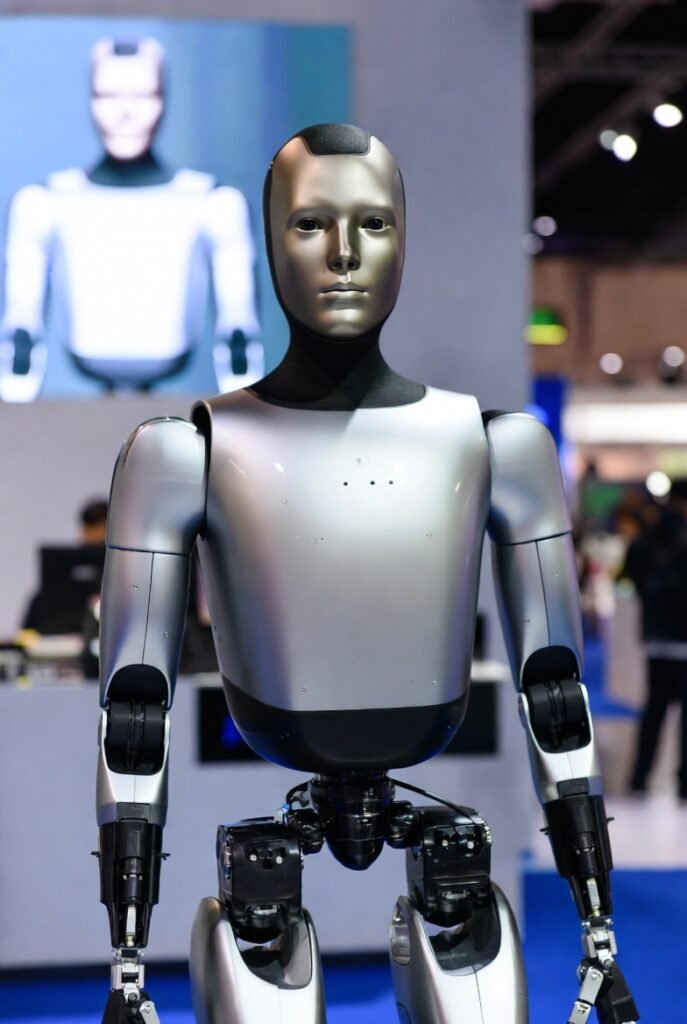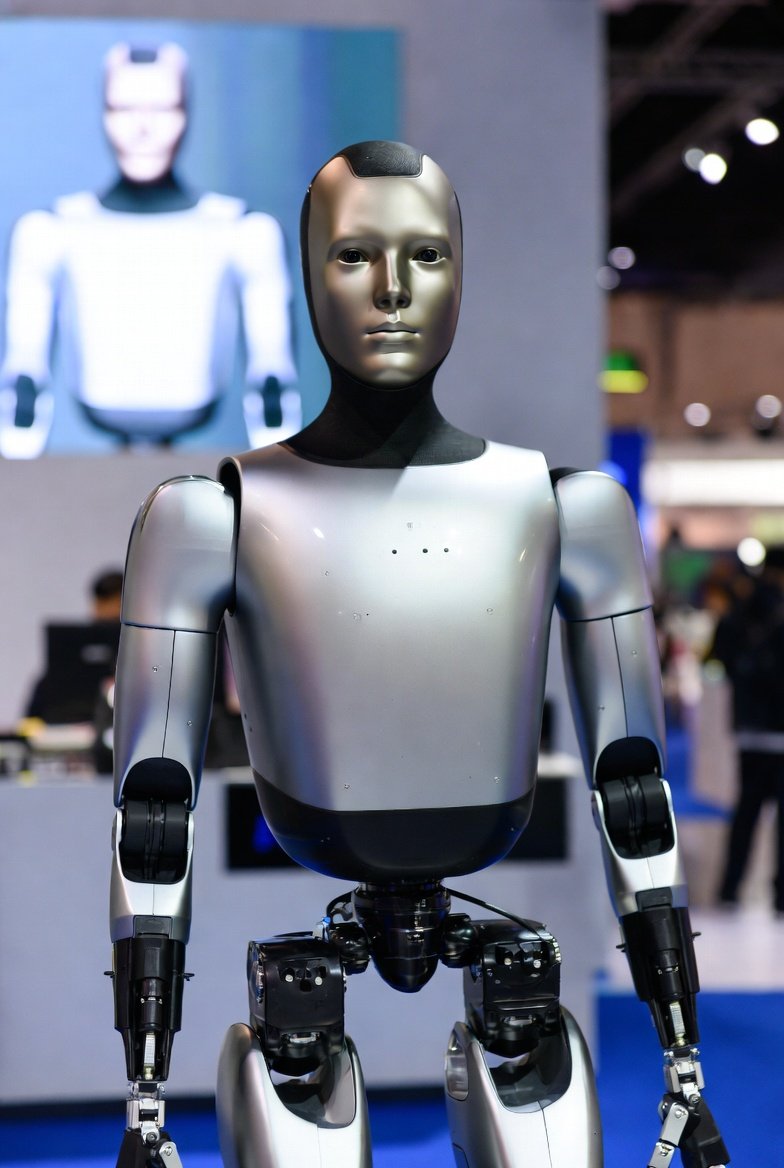
As the world’s attention turns to the upcoming Mobile World Congress (MWC) 2026, the tech community is pacing with anticipation, fueled by Honor’s recent teaser unveiling a humanoid robot. This groundbreaking machine stands at the crossroads of technology and daily life, hinting at a future where robotics could significantly ease daily tasks and enhance personal interactions. Should you be eager to understand how these tech innovations 2026 might reshape individual experiences? In this article, we will delve into the intriguing world of humanoid robots, examine the anticipated features, and explore their potential implications on our lifestyle.
Honor’s innovative endeavor comes at a time when interest in robotics is growing exponentially, shifting from mere speculation to real-world applications. The humanoid robot is designed with practicality in mind, likely focusing on assisting with mundane chores and enhancing home automation processes. The integration of artificial intelligence may foster a more human-like interaction, offering users an intuitive engagement unlike anything seen before. With MWC 2026 just right around the corner, industry analysts are eager to dissect Honor’s new offering, hoping to uncover how it can redefine roles within households and businesses.
As excitement swells for Honor’s showcase, a deeper discussion arises around the societal implications of humanoid robots. Will this innovation serve as a transformative element in the expansive realm of AI and robotics? As the tech community reflects on past advancements, the introduction of such autonomous helpers may evoke both enthusiasm and caution. What efficiency enhancements could this robot bring to everyday operations? Observing the developments leading up to MWC 2026 becomes essential to understanding how these technologies might interlace into the fabric of daily living.
The Rise of Humanoid Robots in Everyday Life
Humanoid robots have long inhabited the realm of science fiction, capturing our imagination with visions of a future where machines engage seamlessly in human environments. However, advancements in technology, particularly in AI and robotics, have begun to turn these myths into tangible realities. The significance of Honor’s humanoid robot lies in its capacity to transcend conceptual boundaries, making its way into our homes and workplaces as a practical tool aimed at enriching human life.
At the core of this innovation is the intention to develop robots that can perform various tasks, ranging from administrative support to complex interactions. With the blending of convenience and efficiency, Honor’s humanoid robot is expected to streamline and automate daily chores that often overwhelm individuals. This shift can significantly contribute to better time management—allowing you to focus on more critical pursuits while the robot handles the more mundane aspects of daily life.
The technology driving the humanoid robots of 2026 harnesses not only mechanical engineering but also computational intelligence. As these machines start to understand and process human language, optimizing interactions becomes increasingly feasible. Enhanced user experience hinges on this dual nature of robotics—not only performing tasks adeptly but also engaging in meaningful communication. The evolution from simple automation tools to sophisticated humanoid companions represents a notable turn in the user-robot dynamic, creating opportunities for improved service in both personal and professional domains.
Features to Expect from Honor’s Humanoid Robot
With a narrow window of time before the MWC showcase, speculation surrounding Honor’s humanoid robot has reached a fever pitch. While detailed features remain under wraps, industry insiders point toward several essential functions that could significantly improve user interactions and efficiency. These capabilities are likely to include voice recognition, task management, and even problem-solving abilities—key traits that will define the robot’s functionality.
Voice recognition technology is expected to play a crucial role in how users engage with the robot, making conversations more natural and intuitive. Users might issue verbal commands for daily tasks—from setting reminders to controlling smart home devices. Such a streamlined approach could increase adoption, particularly among those less familiar with advanced technological interfaces. By developing an accessible and user-friendly interaction, Honor’s humanoid robot may become an integral part of modern households over time.
In addition to voice commands, the robot might incorporate advanced sensors and cameras to navigate environments intelligently. Not only would this allow the robot to perform tasks effectively, but it could also lead to enhanced safety measures—avoiding obstacles and users in real-time. Such sensor capabilities not only improve functionality but also reassure prospective customers concerned about the feasibility of integrating robots into their living spaces.
The Implications of Advanced Robotics
The potential rollout of humanoid robots like Honor’s carries broader implications for society, touching various spheres, including labor, efficiency, and ethics. As automation increasingly enters daily life, we could witness shifts in job roles, particularly for mundane or repetitive tasks. This wave of innovation gives rise to the question: will humanoid robots free us from the mundane, or will they replace jobs that some rely on?
In the wake of this transformation, new opportunities may emerge across sectors requiring human touch—creativity, emotional intelligence, and complex decision-making. While some roles could diminish with the introduction of advanced robots, others could expand significantly. Companies may find themselves needing skilled personnel who can design, maintain, and program these robots to ensure their potential remains untapped.
Moreover, the ethical and privacy concerns associated with humanoid robots cannot be ignored. Users may struggle with the balance between convenience and security, particularly concerning personal data utilized for enhancing interactions. Ongoing discourse surrounding regulations and best practices in developing and deploying robots will be essential in steering public trust. Preparing for the widespread integration of these robots means addressing regulatory measures surrounding AI, data privacy, and ethical accountability in robotics.
The Future Awaits at MWC 2026
The countdown to MWC 2026 builds an air of excitement among technology enthusiasts as Honor prepares to pull back the curtain on its humanoid robot. This showcase stands as a pivotal moment not only for Honor but for the robotics landscape on a larger scale. Since its inception, MWC has been a platform for unveiling groundbreaking tech innovations, and the anticipation around Honor’s robotic assistant exemplifies the evolving narrative in the tech industry.
Attendees at MWC will be at the forefront of witnessing first-hand demonstrations, unveiling potential use cases that could chart the course for future tech innovations 2026. The spotlight on humanoid robots may inspire startups and established companies alike to accelerate their developments, thereby enriching the tech ecosystem. It’s a reminder that while companies race to deliver disruptive gadgets and solutions, they have the potential to redefine our engagement with technology.
As we approach the showcase, it is crucial to remain informed and engaged with all of Honor’s updates and industry commentary. The innovations revealed may not only change our relationship with technology but also dictate consumer expectations and market trends in the coming years. Keeping an eye on MWC 2026 presents an opportunity to witness history in the making as the future unravels before our eyes.