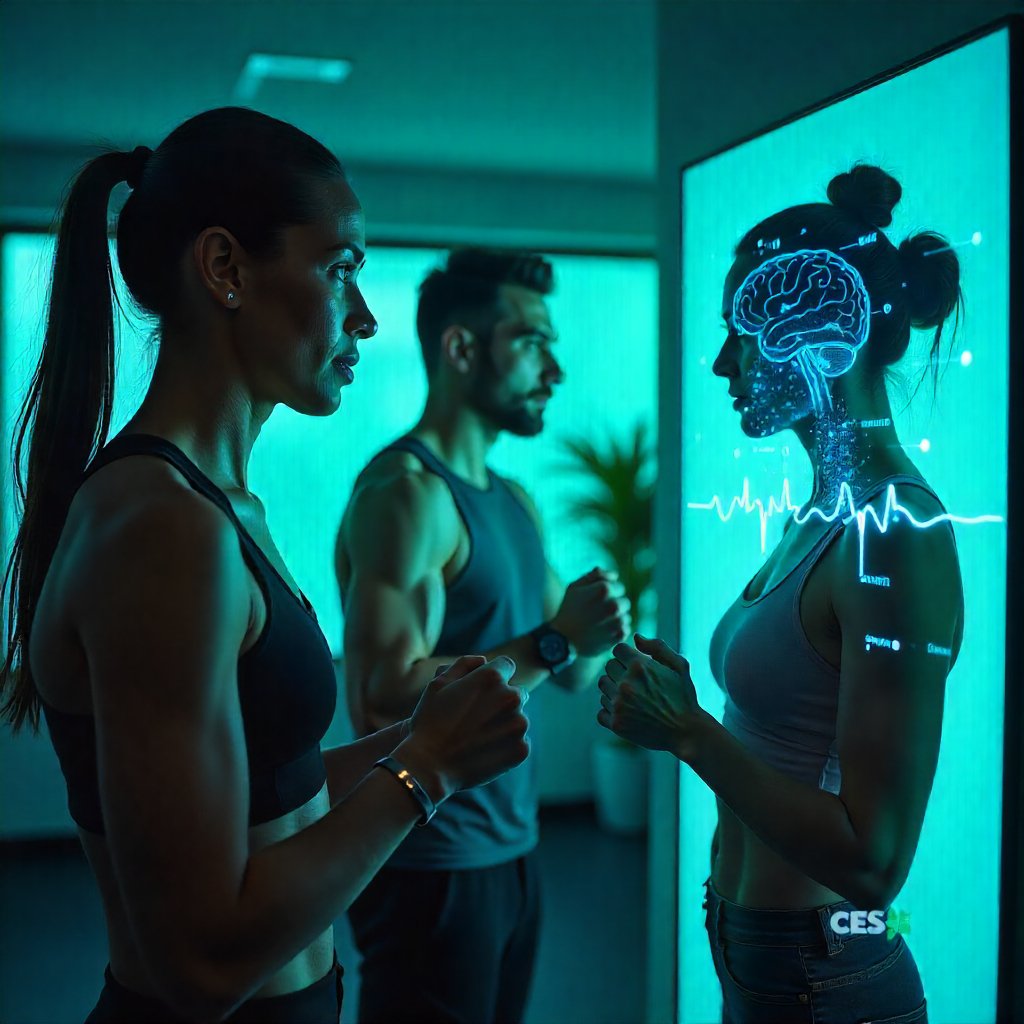
The Shift to “Regenerative” and Mental Fitness
In recent years, the concept of ‘regenerative’ practices has gained significant traction across various sectors, becoming particularly relevant in the fields of technology and mental health. With the rapid transformation of our digital landscape and the overwhelming pace of modern life, more individuals are grappling with the challenges of stress, anxiety, and burnout. The rise of fitness gadgets 2026 and applications aimed at improving mental fitness is a reflection of this significant shift in how we approach well-being. As the year 2026 approaches, understanding how these regenerative practices and tools can aid in achieving mental fitness has never been more essential.
The core idea behind regenerative practices revolves around restoring and revitalizing one’s mental state, enabling individuals to thrive even amidst chaos. Recent innovations in tech and fitness innovations 2026 have focused on harnessing technology to support mental health. From applications that offer guided meditation and cognitive-behavioral therapy (CBT) to platforms that provide instant access to mental health resources, these must-have tech tools are becoming indispensable. By integrating these technologies into daily routines, users can leverage their benefits to combat fatigue and enhance cognitive function, promoting a healthier mindset as we enter 2026.
This shift toward focusing on sustainable, regenerative practices in mental fitness emphasizes the importance of taking time for oneself. More than ever, individuals are beginning to realize the necessity of investing in their mental well-being. As digital flurries continue to overwhelm many, the integration of technology into self-care routines has made it increasingly accessible for anyone to practice mindfulness, reduce stress levels, and improve overall mental health. The rise of fitness gadgets 2026 specifically designed for mental fitness is setting the stage for a new era of personal well-being.
Innovative Technologies for Mental Fitness
The evolving landscape of technology has birthed a host of noteworthy applications that play an increasingly vital role in mental fitness. The surge in popular apps like Headspace, Calm, and BetterHelp showcases the mainstream acceptance of tech in addressing mental health challenges. These platforms offer unique features tailored to enhance users’ mental fitness, such as mood tracking, personalized meditation sessions, and direct access to professional therapists, highlighting the need for accessible mental health care.
In 2026, the effectiveness and appeal of these mental fitness applications will continue to grow, yet it is still essential to gauge their impact on mental health and productivity. Users find practical tools to help them develop healthier relationships with their minds—tools that provide invaluable coping mechanisms in times of distress. These mental fitness applications serve to demystify mental health, allowing users not only to tackle their symptoms but also to understand their mental patterns and triggers in depth.
Perhaps the most promising aspect of these innovations revolves around the community features embedded within such apps. Many applications provide a space for group therapy sessions and peer support forums, encouraging users to share their experiences and coping strategies. This community-driven approach can significantly empower individuals, reinforcing the notion that they are not alone in their struggles. By fostering an open dialogue, these platforms contribute to a more inclusive mental health landscape that emphasizes understanding and support, which is crucial for overall mental regeneration.
The Role of Artificial Intelligence in Mental Fitness
The increasing use of artificial intelligence (AI) in mental fitness applications marks a revolutionary shift in how we approach psychological support. AI-driven technologies have the potential to analyze user behavior, identifying their unique preferences and challenges in mental health management. As we look toward 2026, platforms like Woebot present an example of how AI can provide immediate mental health support that aligns with the demands of modern life.
Woebot’s ability to offer on-demand resources allows users to engage with mental health support when they need it most, providing an accessible safety net that can alleviate feelings of loneliness and distress. This on-demand interaction is essential in today’s fast-paced environment, where seeking traditional forms of help may seem inaccessible or cumbersome. By decreasing the barriers related to mental health care, AI has amplified the reach and impact of mental fitness solutions, tailoring them to fit individual lifestyles and needs.
Moreover, AI’s role in creating personalized mental fitness plans represents a pivotal advancement in the field. For example, some applications utilize AI to curate meditation programs and exercises based on users’ historical preferences and emotional states. As technology continues to evolve, we can expect even more sophisticated applications that tailor mental fitness strategies in response to users’ real-time feedback. This intersection of technology and mental health embodies the regenerative shift towards prioritizing mental fitness in our lives, firmly establishing mental well-being as a critical component of overall health.
Integrating Regenerative Practices into Daily Life
Incorporating regenerative practices into our daily lives doesn’t have to be an overwhelmingly complex endeavor. Simple adjustments, like scheduling regular breaks during work hours or setting reminders via must-have tech to practice self-care, can make a significant difference in one’s mental fitness. The key to rejuvenating the mind is to cultivate habits that encourage focus and serenity—qualities that can be achieved through the integration of fitness gadgets 2026 designed explicitly for mental fitness. As we embrace these gadgets in 2026, finding balance between their use and one’s mental well-being is paramount.
Mindfulness remains a cornerstone of mental fitness, and technology can serve as a guide. Utilizing fitness gadgets 2026 equipped with reminders for mindfulness exercises can seamlessly integrate mental well-being into daily routines. Features like breathing exercises, visualizations, and guided meditations can be accessed at the user’s convenience, allowing for easy practice during momentary breaks at work, while traveling, or even at home after a long day. The versatility of these must-have tech tools fosters a habit of returning to mental clarity and mindfulness, making mental fitness attainable.
Furthermore, the importance of self-compassion cannot be understated in the adoption of these regenerative practices. Technology can aid individuals in navigating through challenging mental fitness journeys with greater understanding. Practices facilitated by these tools should be viewed as personalized pathways to growth; rather than one-size-fits-all solutions, they assist users in learning about themselves and fostering resilience. By maintaining an attitude of curiosity regarding their mental fitness needs, users can create nurturing environments that amplify their journey toward well-being.
Community Support and Mental Health Applications
The integration of community features in mental fitness applications is an exciting development that enhances the overall user experience. Within many platforms, group therapy sessions and peer support forums exist to facilitate shared experiences and collective growth. In a world where feelings of isolation often exacerbate mental health issues, having access to these community components can serve as a tremendous support system. By engaging with others in similar circumstances, individuals can learn valuable coping strategies, promoting a sense of belonging and understanding.
The communal aspect of mental fitness apps adds another layer of regeneration to users’ experiences. Indeed, sharing stories and strategies can foster a sense of connection and empathy amongst users. As many people seek solace in knowing they are not alone in their struggles, these platforms can serve as a vital lifeline to discover community-driven support. Being part of a supportive network empowers individuals to confront mental challenges with renewed strength and courage, further enhancing their overall mental fitness journey.
The future of community-driven mental fitness support holds exciting possibilities. As these applications continue to evolve, the potential for forging deeper connections among users will expose participants to a broader spectrum of ideas and strategies. By embracing this spirit of collaboration and openness, users can cultivate more profound relationships with themselves, leading to greater overall mind-body synergy. As we navigate through 2026, understanding the invaluable role of community support in mental fitness will be essential for continued growth and healing.
Exploring Options and Finding the Right Tools
As individuals seek to explore the multitude of options available for enhancing mental fitness, it is crucial to scrutinize which applications and must-have tech tools best fit their unique needs. With an ever-expanding suite of mental fitness resources across platforms, potential users should take advantage of free trials offered by many apps. Engaging in trial periods enables users to assess the tools’ effectiveness without the immediate burden of financial commitment.
This strategic approach allows users to connect with various mental fitness applications, prompting greater understanding of what beneficial features may align with their goals. Exploring factors like usability, design, and diversity of offerings can significantly impact the user experience and overall engagement with the technology. Likewise, recognizing which fitness gadgets 2026 complement their preferences can enhance each individual’s mental fitness toolkit.
By tapping into the extensive landscape of mental fitness tools available, users can tailor their experiences and identify resources that resonate with their mental health priorities. The engagement in various apps will ultimately contribute to empowered decision-making and greater success in integrating mental fitness practices into daily life. As technology continues to reflect the evolving needs of individuals, focusing on personal suitability will lead to a more fulfilling journey toward mental well-being.