Artificial intelligence has transformed the way we monitor our health. From wearable fitness trackers to AI-powered meal recognition, technology is making calorie counting easier than ever. However, recent findings suggest that an AI calorie-tracking app may be off by 345 calories in some cases—a significant difference that could impact weight loss, muscle gain, or overall health goals.
While AI nutrition apps continue to improve, they are not perfect. Misidentifying foods, estimating incorrect portion sizes, or relying on incomplete nutritional databases can lead to inaccurate calorie counts.
In this article, we’ll explore why AI calorie trackers make mistakes, how these errors affect your fitness journey, and practical ways to improve tracking accuracy.
What Is an AI Calorie-Tracking App?
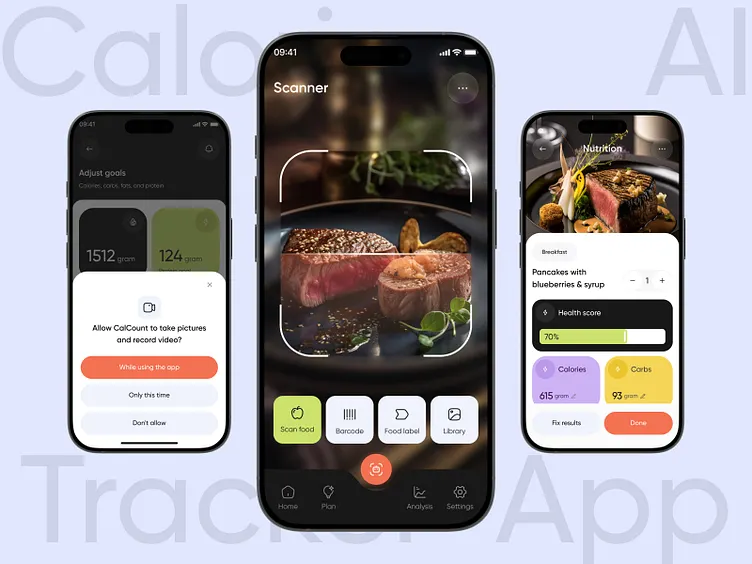
An AI calorie-tracking app uses artificial intelligence to estimate nutritional information from:
- Food photos
- Barcode scanning
- Voice input
- Text descriptions
- Restaurant menus
Popular AI-powered nutrition platforms analyze images using computer vision to identify foods and estimate calories, macronutrients, and serving sizes automatically.
These features save time compared to manually entering every meal.
Why Could an AI App Be Off by 345 Calories?
Although AI has become smarter, calorie estimation remains challenging because food varies greatly.
Common reasons include:
1. Incorrect Portion Size Estimation
AI can recognize a cheeseburger, but estimating whether it weighs 150g or 250g is much harder.
A small serving difference can add hundreds of calories.
Example:
- Small bowl of pasta: 420 calories
- Large bowl: 760 calories
The app may incorrectly assume the smaller portion.
2. Hidden Ingredients
Many dishes contain oils, butter, sauces, cheese, or sugar that aren’t visible in photos.
Examples include:
- Olive oil used in cooking
- Butter on vegetables
- Cream-based sauces
- Salad dressing
- Added sugar
These hidden ingredients dramatically increase calorie totals.
3. Similar-Looking Foods
Some foods look almost identical.
Examples:
- Diet soda vs regular soda
- Greek yogurt vs flavored yogurt
- Low-fat cheese vs full-fat cheese
- Turkey burger vs beef burger
Without additional context, AI often makes educated guesses.
4. Restaurant Meals
Restaurant dishes vary significantly depending on:
- Cooking methods
- Ingredient brands
- Portion sizes
- Recipe changes
Even identical menu items from different locations can differ by several hundred calories.
5. Mixed Meals
Meals like:
- Curry
- Stir-fry
- Burrito bowls
- Casseroles
- Homemade soups
contain multiple ingredients layered together, making accurate recognition difficult.
Why Does a 345-Calorie Difference Matter?
A daily error of 345 calories is more significant than many people realize.
Weight Loss
If your calorie goal is:
2,000 calories/day
but your app reports:
1,655 calories
you may unknowingly overeat.
Over weeks and months, this can slow or even stop weight loss.
Muscle Gain
Athletes trying to maintain a calorie surplus could accidentally eat too little.
This may reduce:
- Recovery
- Performance
- Muscle growth
Diabetes Management
Individuals monitoring carbohydrate intake rely on accurate nutritional data.
Errors may affect:
- Blood sugar management
- Medication timing
- Insulin dosing
Are AI Nutrition Apps Still Useful?
Absolutely.
AI nutrition apps remain excellent tools for:
- Building healthy eating habits
- Monitoring trends
- Tracking meal consistency
- Increasing dietary awareness
- Saving time
The key is understanding that estimates are not laboratory measurements.
Think of AI as a helpful assistant—not a replacement for informed decision-making.
How Accurate Are AI Food Recognition Apps?
Accuracy depends on several factors:
| Factor | Accuracy Impact |
|---|---|
| Clear food image | High |
| Good lighting | High |
| Visible portion size | High |
| Homemade meals | Moderate |
| Mixed dishes | Lower |
| Restaurant food | Lower |
| Hidden ingredients | Low |
The better the photo and meal visibility, the more accurate AI predictions become.
Tips to Improve AI Calorie Tracking Accuracy
1. Take Better Photos
Capture images:
- From directly above
- In natural lighting
- Without obstructions
2. Include Portion References
Place common objects nearby such as:
- Fork
- Spoon
- Cup
- Hand
This helps AI estimate serving size more accurately.
3. Review AI Suggestions
Don’t simply accept the first estimate.
Check:
- Food name
- Portion size
- Calories
- Macronutrients
4. Edit Incorrect Entries
Most AI apps allow manual corrections.
Update:
- Serving size
- Cooking method
- Ingredients
5. Use Barcode Scanning When Possible
Packaged foods usually provide more accurate nutritional information through barcode databases.
6. Weigh Food Occasionally
Using a digital kitchen scale helps calibrate your understanding of portion sizes.
You don’t need to weigh every meal—doing so periodically can significantly improve tracking accuracy.
AI Is Improving Every Year
Modern AI nutrition systems now combine:
- Computer vision
- Large language models
- Nutrition databases
- User history
- Personalized recommendations
Future improvements may include:
- 3D portion estimation
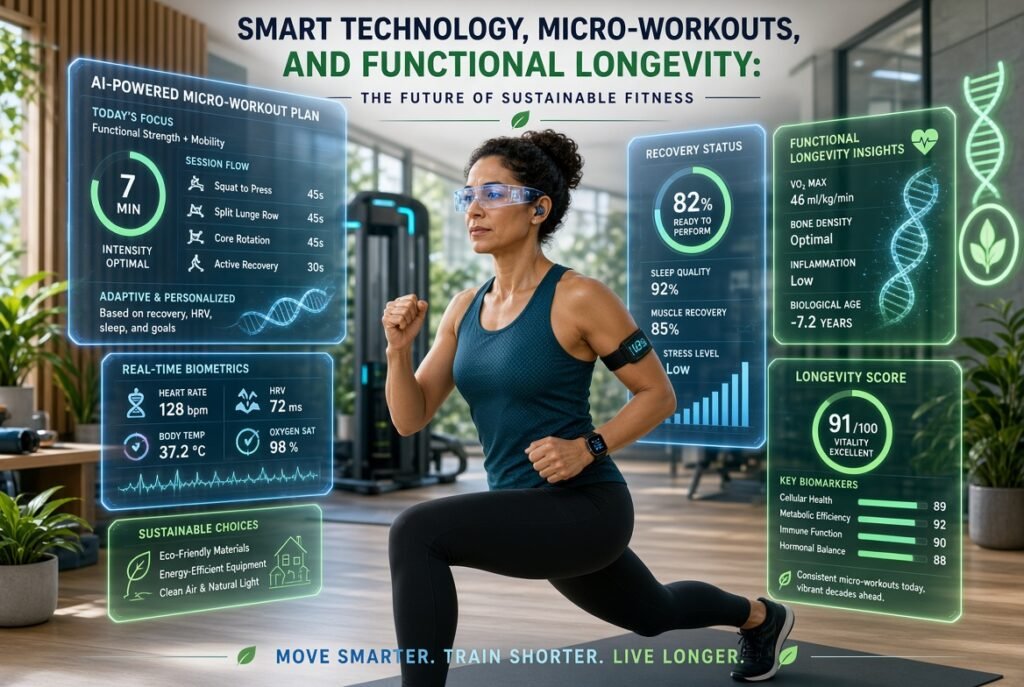
- Smart glasses with food recognition
- Wearable nutrition assistants
- Real-time nutrient analysis
- Integration with continuous glucose monitors
These innovations could substantially reduce calorie estimation errors.
Pros and Cons of AI Calorie-Tracking Apps
Pros
- Fast meal logging
- Convenient photo recognition
- Personalized recommendations
- Habit tracking
- Saves time
- Encourages healthier eating
Cons
- Portion estimation errors
- Hidden ingredients are difficult to detect
- Restaurant meals are inconsistent
- Mixed dishes remain challenging
- Calorie estimates may vary significantly
Best Practices for Reliable Nutrition Tracking
For the most accurate results:
- Use AI as a starting point rather than the final authority.
- Verify unusual calorie estimates manually.
- Prioritize consistency over perfect precision.
- Combine AI tracking with regular weight, body measurements, and fitness progress.
- Update your food diary whenever you notice inaccurate entries.
The Future of AI Nutrition Technology
AI-powered nutrition is advancing rapidly. Future systems are expected to combine image recognition, wearable sensors, and personalized health data to deliver more accurate dietary insights. As machine learning models improve and nutrition databases expand, calorie estimates should become increasingly reliable. Until then, users should treat AI-generated values as helpful estimates rather than exact measurements.
Frequently Asked Questions (FAQs)
Can AI accurately count calories?
AI performs well with simple, clearly visible foods but may struggle with complex meals, portion estimation, and hidden ingredients.
Is a 345-calorie error significant?
Yes. Consistently consuming 345 extra calories per day can influence long-term weight management and fitness outcomes.
Should I stop using AI calorie-tracking apps?
No. These apps remain valuable for tracking eating habits and maintaining consistency. They are most effective when users review and adjust entries as needed.
Why are homemade meals harder to track?
Homemade recipes vary widely in ingredients, cooking methods, and serving sizes, making automated estimation more difficult.
Can wearable devices improve calorie tracking?
Wearables can complement nutrition apps by monitoring activity, heart rate, and energy expenditure, offering a broader picture of overall health.
Conclusion
The fact that an AI calorie-tracking app may be off by 345 calories highlights an important reality: AI is a powerful tool, but it is not infallible. Portion estimation, hidden ingredients, and meal complexity can all contribute to inaccurate calorie counts.
Rather than abandoning AI nutrition apps, users should view them as smart assistants that provide helpful estimates. By reviewing entries, correcting mistakes, and combining AI with mindful eating habits, you can make better-informed decisions and stay on track with your health and fitness goals.
As AI technology continues to evolve, calorie-tracking apps will become even more accurate, offering greater support for anyone pursuing healthier living.