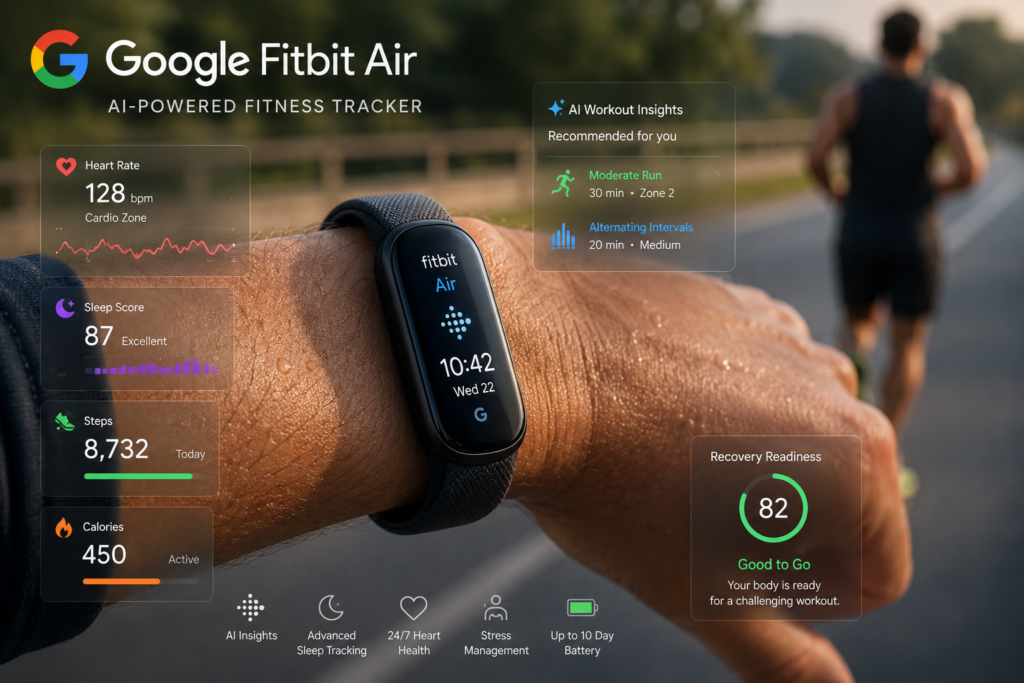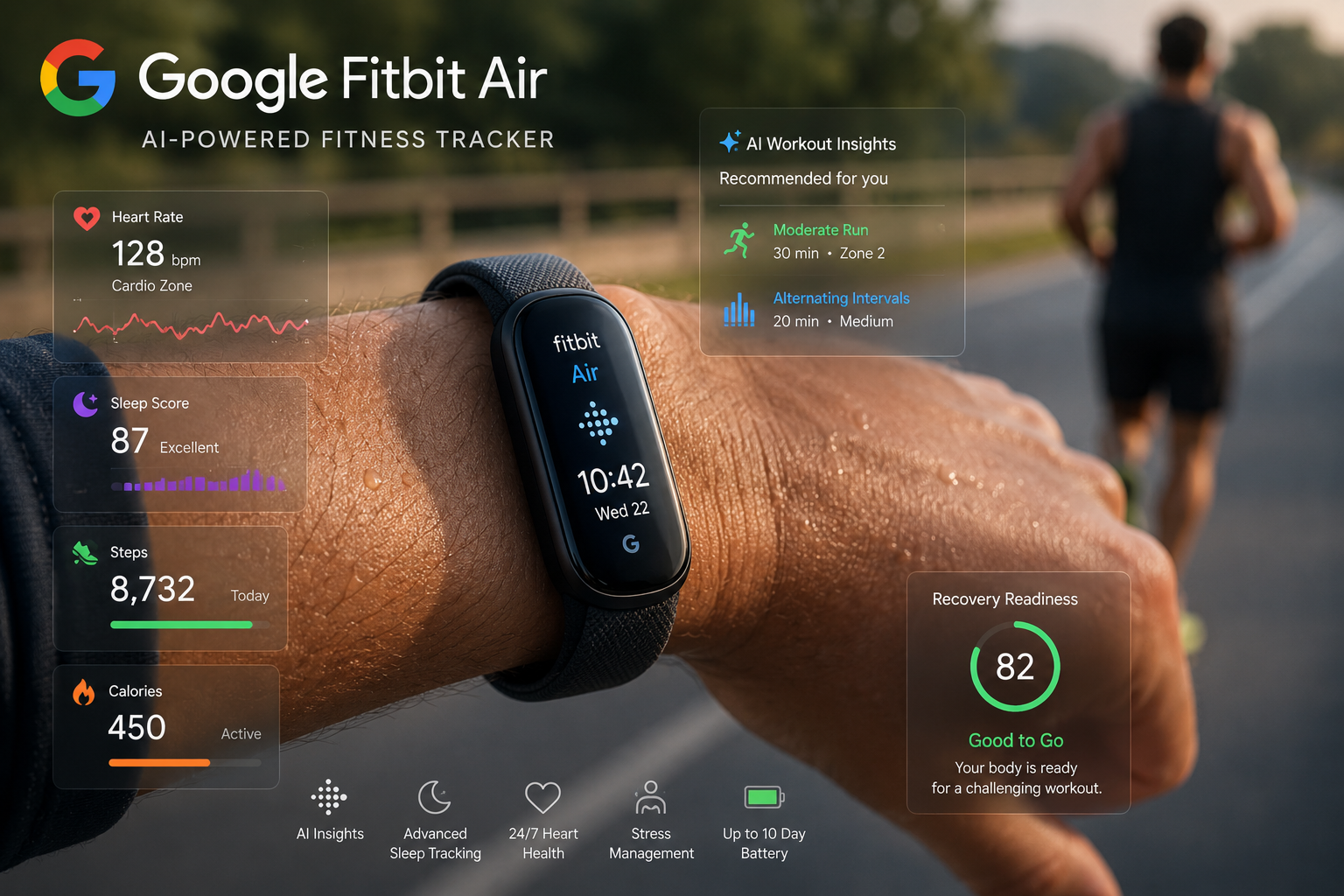
The wearable technology market continues to evolve rapidly, and Google is expected to strengthen its Fitbit lineup with a rumored device known as the Google Fitbit Air. While Google has not officially announced the product, industry speculation suggests that Fitbit Air could become a lightweight, AI-powered fitness tracker designed for users seeking advanced health monitoring without the premium price tag.
As artificial intelligence becomes more deeply integrated into wearable technology, Fitbit Air could deliver smarter health insights, personalized coaching, and seamless integration with the Google ecosystem.
In this article, we’ll explore everything currently known and expected about the Google Fitbit Air, its potential features, target audience, and why it could become one of the most exciting fitness wearables of the coming years.
What Is Google Fitbit Air?
The Google Fitbit Air is a rumored next-generation Fitbit wearable expected to focus on:
- Lightweight design
- AI-powered health insights
- Continuous fitness monitoring
- Longer battery life
- Affordable pricing
- Seamless Google ecosystem integration
Although Google has not confirmed the device, leaks and industry discussions indicate that Fitbit Air may bridge the gap between entry-level fitness bands and premium smartwatches.
Expected Design
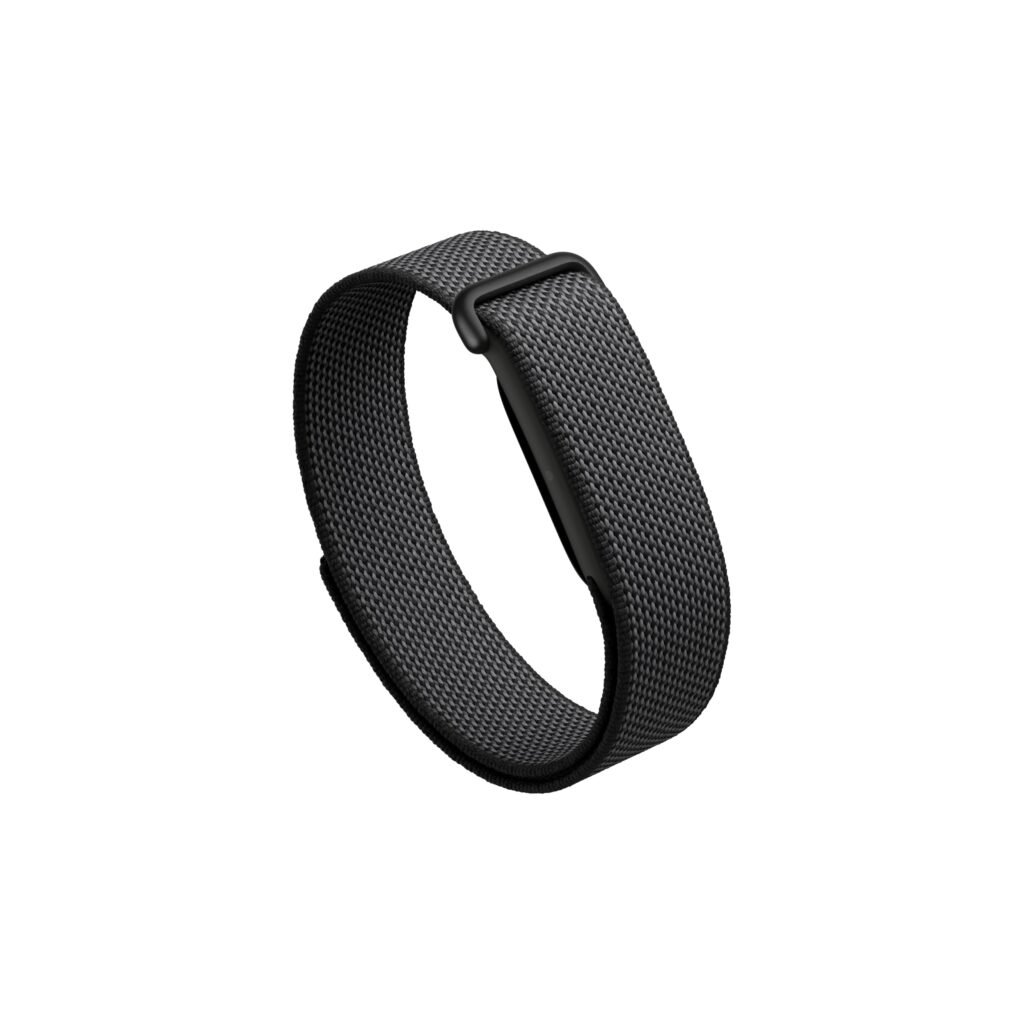
One of the biggest rumored improvements is a slimmer and lighter design.
Potential design highlights include:
- Ultra-lightweight body
- Comfortable silicone straps
- Minimalist display
- Water resistance
- Multiple color options
- Always-on AMOLED display (expected)
A lighter wearable encourages users to wear it continuously, improving health tracking accuracy.
AI-Powered Health Tracking
Artificial Intelligence is expected to be the biggest upgrade.
Google has invested heavily in AI, and Fitbit Air could leverage machine learning to provide smarter recommendations rather than simply displaying raw data.
Expected AI features include:
Personalized Fitness Coaching
Instead of generic workout goals, Fitbit Air may recommend:
- Personalized exercise plans
- Recovery suggestions
- Training intensity adjustments
- Adaptive fitness goals
Sleep Intelligence
Fitbit already offers excellent sleep tracking, but Fitbit Air could introduce:
- Advanced sleep stage analysis
- Sleep quality scoring
- Bedtime recommendations
- Recovery readiness insights
AI may identify long-term sleep trends and offer actionable improvements.
Heart Health Monitoring
Expected heart monitoring features include:
- 24/7 heart rate tracking
- Resting heart rate
- High and low heart rate alerts
- Heart rate variability (HRV)
- Stress detection
These metrics can help users better understand cardiovascular health and overall wellness.
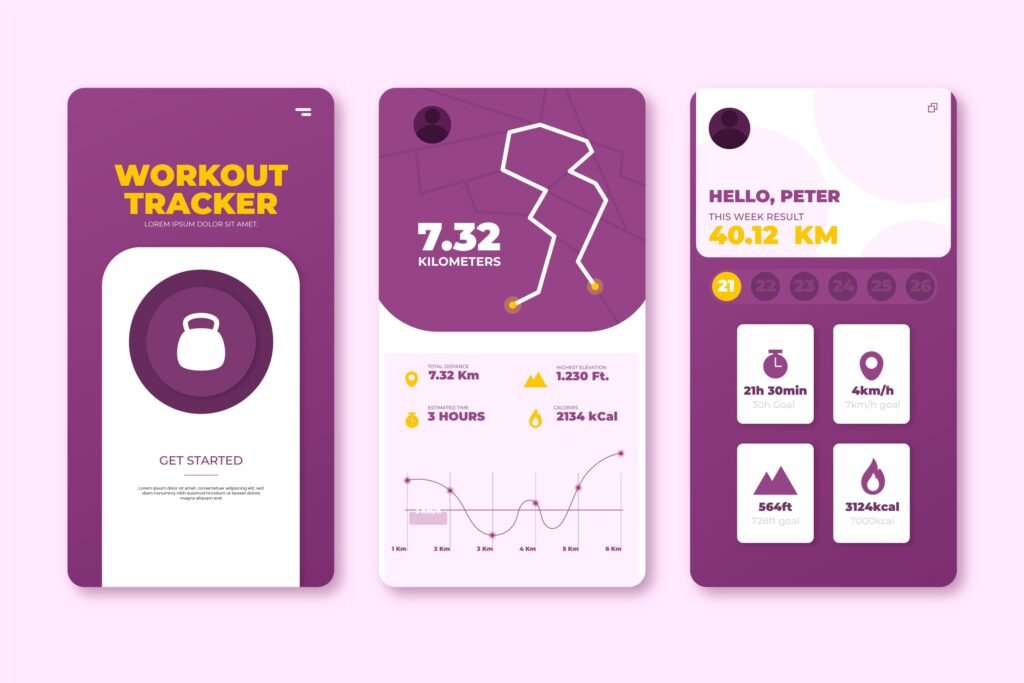
Smarter Activity Tracking
Fitbit Air is expected to automatically recognize multiple activities, including:
- Walking
- Running
- Cycling
- Hiking
- Strength training
- Yoga
- Swimming
Automatic workout detection means users spend less time manually logging exercises.
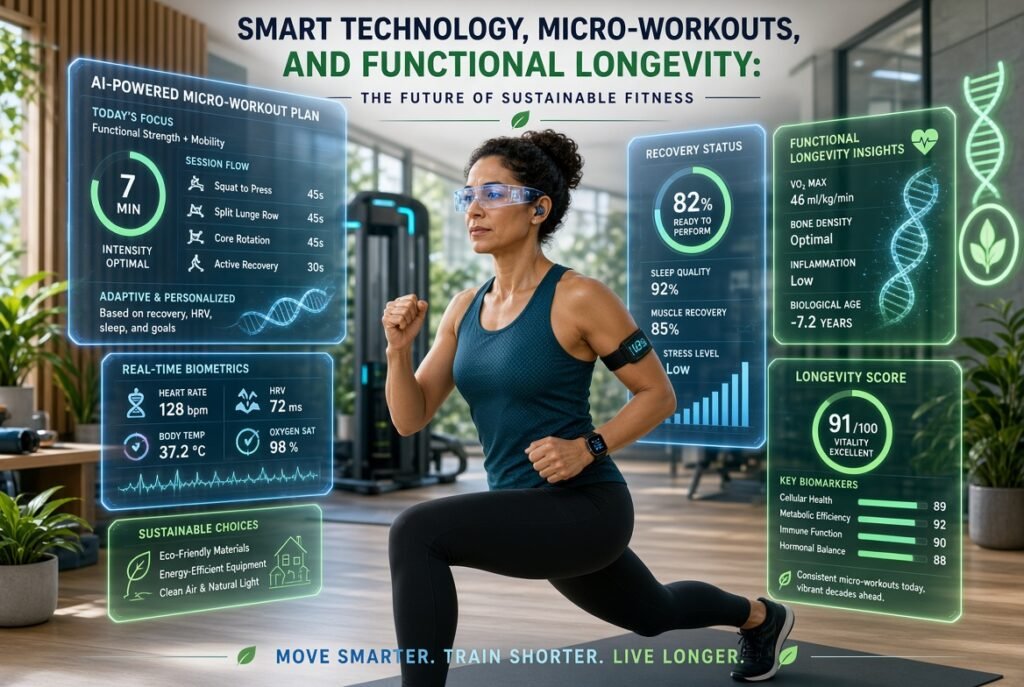
AI Workout Recommendations
Instead of simply counting steps, Fitbit Air may analyze:
- Recovery status
- Sleep quality
- Stress levels
- Previous workouts
- Heart rate trends
The device could then recommend:
- Recovery days
- Cardio sessions
- Strength workouts
- Walking goals
- Stretching routines
This personalized coaching would make fitness more efficient and sustainable.
Advanced Stress Management
Mental wellness has become a key focus for wearable technology.
Expected stress-management tools include:
- Stress score
- Guided breathing sessions
- Relaxation reminders
- Mindfulness tracking
- Recovery monitoring
Combining biometric data with AI could provide more meaningful stress insights.
Google Ecosystem Integration
One of Fitbit Air’s strongest selling points will likely be deep integration with Google services.
Potential compatibility includes:
- Google Fit
- Google Calendar
- Google Wallet
- Google Maps
- Google Assistant
- Gmail notifications
- Android smartphones
- Pixel devices
This integration would create a seamless experience for Android users.
Battery Life Expectations
Battery life remains a major consideration when choosing a wearable.
Rumors suggest Fitbit Air could offer:
- 7–10 days of battery life
- Fast charging
- Power-saving modes
- Optimized AI processing
Long battery life allows continuous tracking without frequent charging interruptions.
Health Metrics You Can Expect
Fitbit Air may support monitoring for:
- Daily steps
- Calories burned
- Active minutes
- Heart rate
- Blood oxygen (SpO₂)
- Sleep tracking
- HRV
- Stress levels
- Skin temperature trends
- Women’s health tracking
These metrics help users build a comprehensive picture of their overall health.
Potential AI Features Powered by Google
Google’s advancements in artificial intelligence may bring:
- Personalized wellness summaries
- Weekly health reports
- AI-generated fitness insights
- Smart notifications
- Predictive health recommendations
- Intelligent workout planning
These features could make Fitbit Air more proactive in supporting healthier lifestyles.
Who Should Buy Google Fitbit Air?
Fitbit Air may be ideal for:
Beginners
Easy-to-understand health metrics make it suitable for users starting their fitness journey.
Fitness Enthusiasts
AI coaching and automatic workout tracking can support more effective training.
Busy Professionals
Continuous monitoring and long battery life reduce the need for manual input.
Students
Affordable pricing and health insights make it attractive for younger users.
Android Users
Deep Google integration could make Fitbit Air an excellent companion for Android and Pixel smartphones.
Expected Price
While Google has not announced official pricing, industry speculation suggests Fitbit Air could fall within the affordable fitness tracker segment.
Expected pricing range:
- $99–$149 USD
This would position Fitbit Air as a strong competitor to budget-friendly fitness trackers while offering AI-enhanced capabilities.
Expected Release Date
As of now, Google has not officially announced the Fitbit Air. Any references to its launch date, specifications, or pricing remain speculative.
If Google introduces the device, more details are likely to emerge through official announcements or launch events.
Google Fitbit Air vs Traditional Fitness Trackers
| Feature | Google Fitbit Air (Expected) | Traditional Fitness Tracker |
|---|---|---|
| AI Coaching | ✔ Advanced | Limited |
| Sleep Analysis | ✔ Intelligent | Basic |
| Google Integration | ✔ Deep | Minimal |
| Automatic Workout Detection | ✔ Improved | Standard |
| Battery Life | 7–10 Days | 5–10 Days |
| Stress Monitoring | ✔ AI-Based | Basic |
| Personalized Insights | ✔ Extensive | Limited |
Why Google Fitbit Air Could Be a Game Changer
If the rumors prove accurate, Fitbit Air could represent the next evolution of affordable fitness wearables by combining:
- Artificial intelligence
- Lightweight hardware
- Excellent battery life
- Personalized coaching
- Google ecosystem integration
- Advanced health monitoring
Rather than simply collecting health data, Fitbit Air may help users understand and act on that information more effectively.
Final Thoughts
The Google Fitbit Air has generated considerable interest as a rumored addition to Google’s wearable lineup. While official details are still unavailable, expectations point toward a lightweight, AI-powered fitness tracker that emphasizes personalized health insights, long battery life, and seamless integration with Google’s services.
It’s important to distinguish between confirmed information and speculation. Until Google makes an official announcement, all reported features, pricing, and release timing should be viewed as expectations rather than confirmed specifications.
For fitness enthusiasts, Android users, and anyone seeking an affordable wearable with intelligent health tracking, Fitbit Air is a product worth watching if it becomes reality.