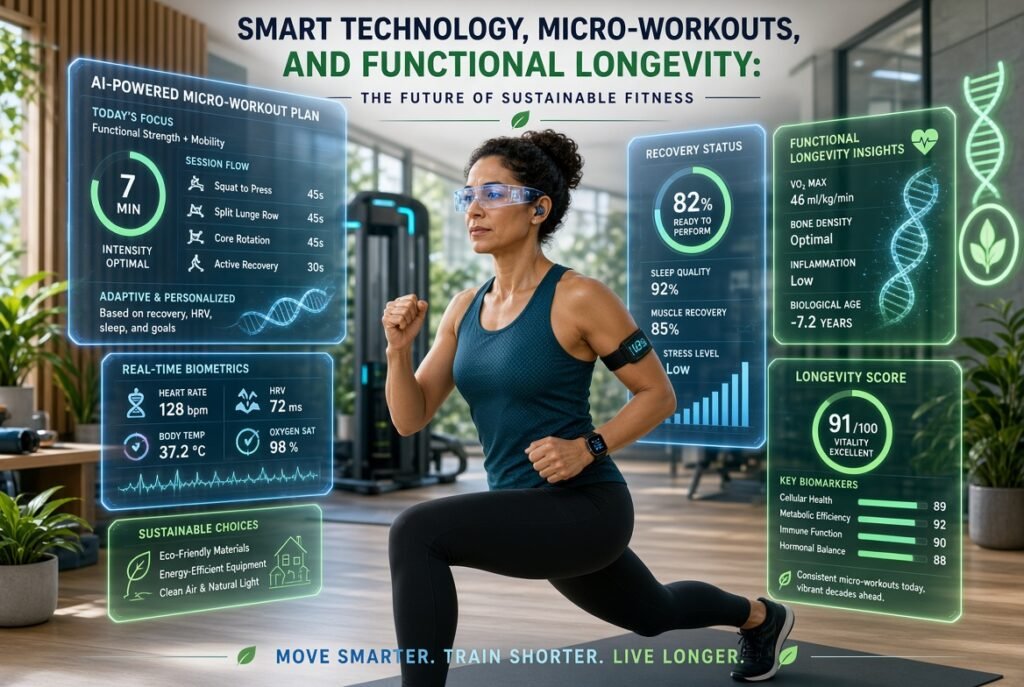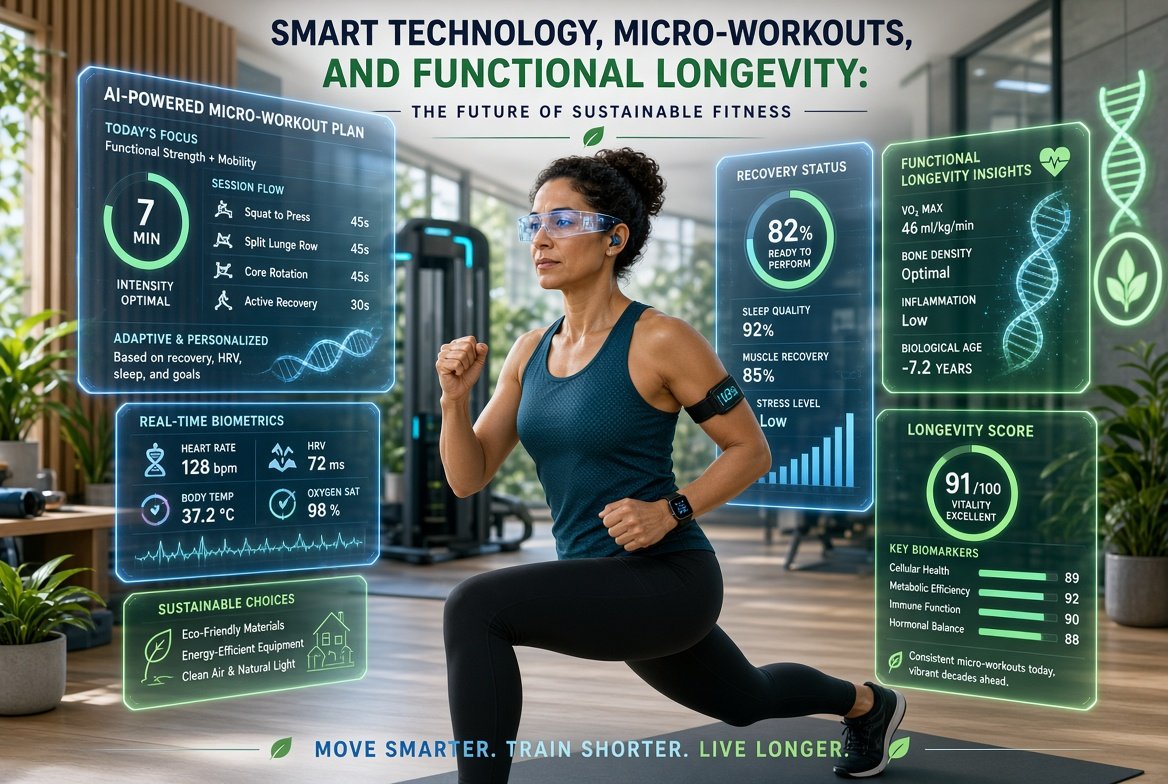
The fitness industry is undergoing a remarkable transformation. Traditional workout routines are no longer the only path to better health. Today, advancements in smart technology, the growing popularity of micro-workouts, and a stronger focus on functional longevity are reshaping how people approach fitness and wellness.
Rather than spending hours in the gym, modern consumers are leveraging wearable devices, AI-powered fitness apps, and short but effective exercise sessions to achieve sustainable results. The goal is no longer just looking fit today. It is maintaining strength, mobility, energy, and independence for decades to come.
At Fitnotech, we believe technology and science-driven fitness solutions are the key to creating healthier, longer, and more active lives.
What Is Functional Longevity?
Functional longevity refers to maintaining physical capabilities, mobility, balance, strength, and overall health as you age. Instead of focusing solely on athletic performance or aesthetics, functional longevity emphasizes the ability to perform everyday activities comfortably and independently throughout life.
Key components of functional longevity include:
Muscular strength
Joint mobility
Balance and coordination
Cardiovascular health
Cognitive performance
Recovery and injury prevention
The objective is simple: stay active, capable, and resilient at every stage of life.
How Smart Technology Is Revolutionizing Fitness
Technology has become an essential part of modern health management. Smart devices now provide personalized insights that help users make better decisions about exercise, recovery, nutrition, and sleep.
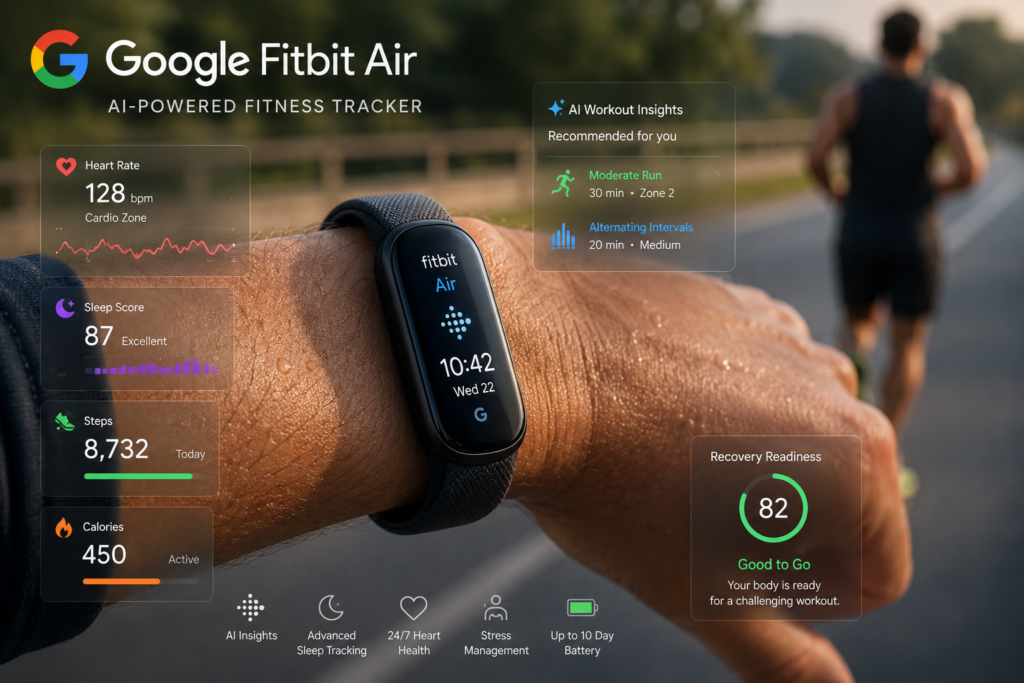
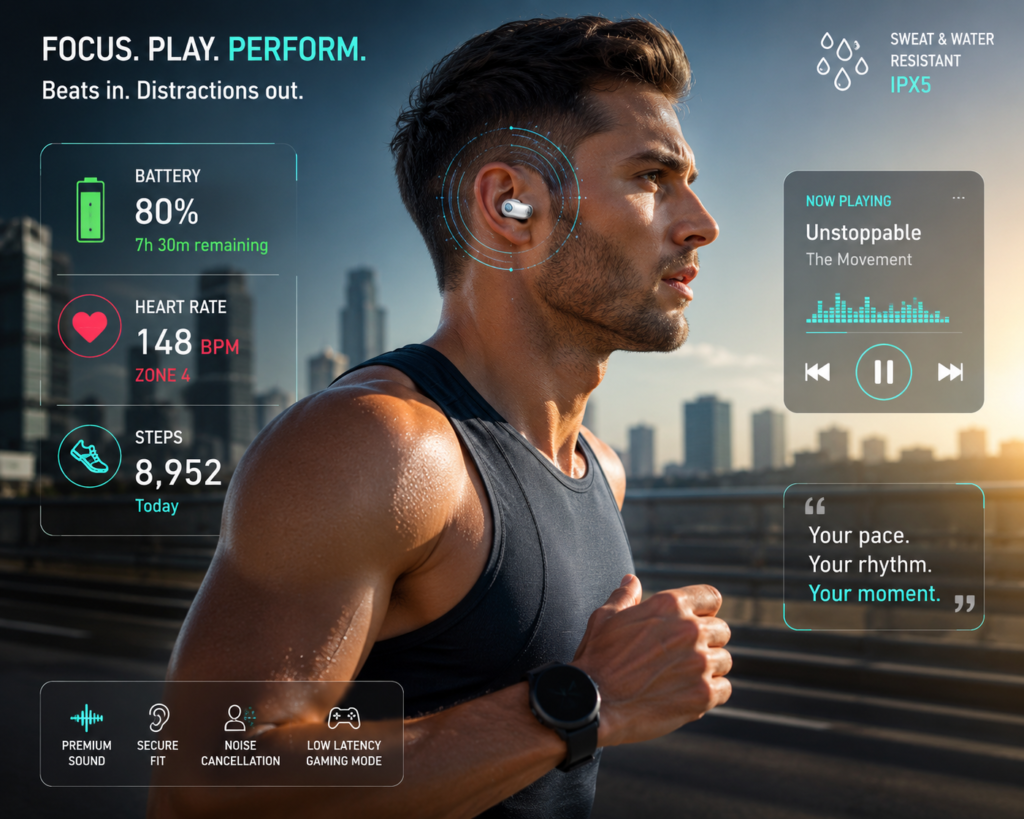
Wearable Fitness Trackers
Devices such as smartwatches and fitness bands monitor:
Heart rate
Daily activity levels
Sleep quality
Recovery metrics
Calories burned
Stress levels
These real-time insights allow users to optimize training and prevent overtraining.
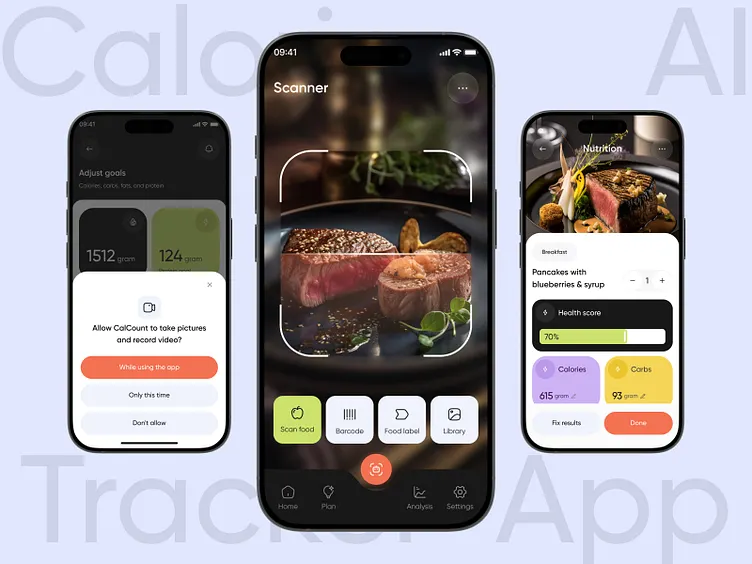
AI-Powered Coaching
Artificial intelligence is transforming fitness through:
Customized workout recommendations
Adaptive training plans
Real-time performance feedback
Recovery monitoring
Personalized fitness goals
AI-based coaching helps users develop sustainable exercise habits while reducing guesswork.
Smart Recovery Tools
Recovery is a major factor in long-term health and fitness success.
Popular smart recovery solutions include:
Massage devices
Compression systems
Sleep monitoring tools
Recovery score platforms
Mobility tracking applications
These technologies help users train smarter rather than harder.
The Rise of Micro-Workouts
One of the biggest fitness trends in recent years is the adoption of micro-workouts.
What Are Micro-Workouts?
Micro-workouts are short exercise sessions ranging from 1 to 15 minutes that can be performed throughout the day.
Examples include:
A 5-minute mobility routine
A 10-minute HIIT session
A quick walking break
Bodyweight strength circuits
Stretching sessions between meetings
The concept is simple: fitness does not require lengthy gym visits. Small bursts of activity performed consistently can generate meaningful health benefits.
Why Micro-Workouts Work
Many people struggle to find time for traditional workout programs. Micro-workouts solve this problem by making exercise more accessible and achievable.
Benefits include:
Increased Consistency
Short workouts eliminate the common excuse of having no time.
Reduced Sedentary Behavior
Frequent movement throughout the day helps counteract the negative effects of prolonged sitting.
Improved Energy Levels
Brief exercise sessions can boost alertness, productivity, and mood.
Better Long-Term Adherence
People are more likely to maintain fitness habits that fit into their daily schedules.
The Connection Between Smart Technology and Micro-Workouts
Smart technology makes micro-workouts significantly more effective.
Fitness apps and wearable devices can:
Send movement reminders
Track workout frequency
Measure exercise intensity
Monitor heart rate responses
Analyze progress over time
Instead of relying on motivation alone, technology provides accountability and actionable feedback.
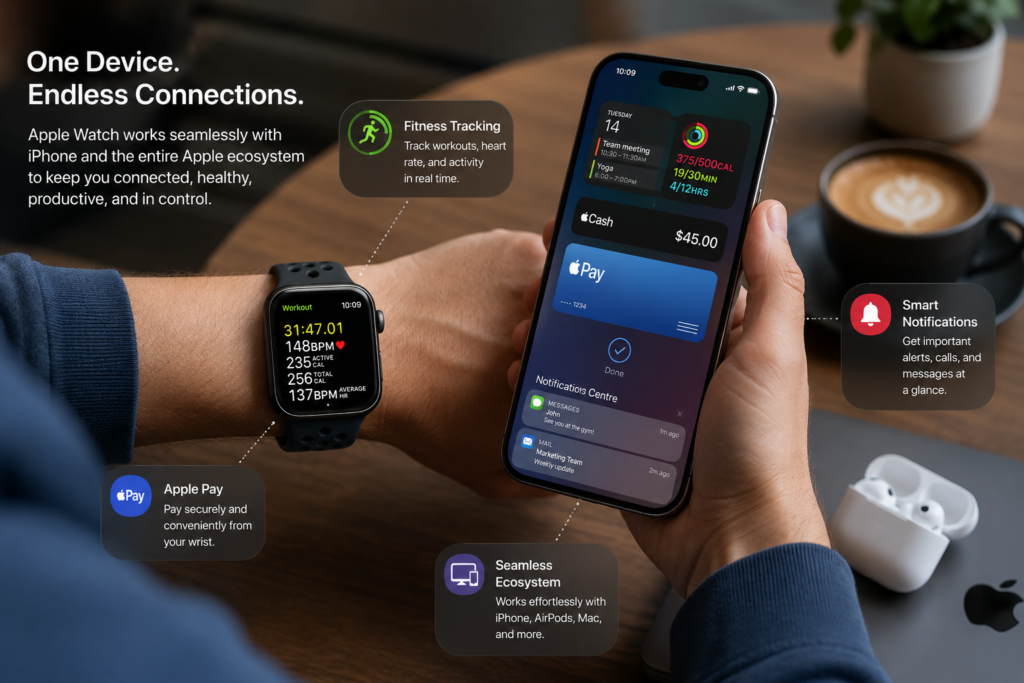
For example, a smartwatch may notify you after prolonged inactivity, encouraging a quick 5-minute movement session. These small actions add up over weeks, months, and years.
How Micro-Workouts Support Functional Longevity
Functional longevity depends on consistent movement.
Many chronic health issues associated with aging are linked to inactivity, including:
Muscle loss
Reduced mobility
Joint stiffness
Poor balance
Cardiovascular decline
Micro-workouts help combat these challenges by keeping the body active throughout the day.
Mobility Maintenance
Short stretching and mobility routines support joint health and movement quality.
Strength Preservation
Brief bodyweight exercises help maintain muscle mass and functional strength.
Cardiovascular Fitness
Short bursts of walking, stair climbing, or interval training can improve heart health.
Balance and Stability
Regular balance exercises reduce fall risk and support long-term independence.
Practical Smart Fitness Strategies for Everyday Life
Building a fitness routine focused on functional longevity does not require drastic lifestyle changes.
Consider these simple strategies:
Start With Movement Reminders
Use your smartwatch or smartphone to remind you to move every hour.
Accumulate Activity Throughout the Day
Aim for multiple short activity sessions rather than waiting for a single workout.
Prioritize Sleep Tracking
Recovery is essential for long-term health and performance.
Perform Daily Mobility Exercises
Five to ten minutes of mobility work can improve flexibility and joint function.
Track Meaningful Metrics
Focus on indicators that support longevity, such as:
Resting heart rate
Recovery scores
Sleep duration
Daily step count
Strength progression
Common Mistakes to Avoid
Relying Solely on Technology
Technology provides valuable insights, but consistency and healthy habits remain essential.
Ignoring Recovery
Overtraining can undermine long-term fitness goals.
Focusing Only on Weight Loss
Functional longevity is about overall health, mobility, strength, and quality of life.
Skipping Strength Training
Maintaining muscle mass becomes increasingly important with age.
The Future of Fitness: Smarter, Shorter, and Sustainable
The future of fitness is shifting away from extreme programs and toward sustainable health strategies.
Smart technology enables personalized fitness experiences. Micro-workouts remove barriers to exercise. Functional longevity ensures that fitness efforts contribute to long-term health, mobility, and independence.
Together, these trends represent a powerful approach to wellness that fits modern lifestyles while delivering meaningful results.
Whether your goal is improving daily energy, staying active as you age, or maximizing overall health, combining smart technology with consistent movement can help you build a stronger future.
Frequently Asked Questions (FAQs)
What is functional longevity in fitness?
Functional longevity refers to maintaining physical function, strength, mobility, balance, and independence throughout life, allowing individuals to perform daily activities efficiently as they age.
Are micro-workouts effective for improving fitness?
Yes. When performed consistently, micro-workouts can improve cardiovascular fitness, strength, mobility, and overall activity levels while fitting easily into busy schedules.
How does smart technology support fitness goals?
Smart technology provides real-time health data, workout tracking, recovery metrics, personalized recommendations, and accountability that help users optimize their fitness journey.
Can wearable devices help improve long-term health?
Wearables can support long-term health by monitoring activity, sleep, heart rate, recovery, and behavioral patterns, encouraging healthier lifestyle choices.
What are the best exercises for functional longevity?
The most effective exercises include strength training, mobility work, walking, balance exercises, flexibility routines, and cardiovascular activities that support daily movement and independence.