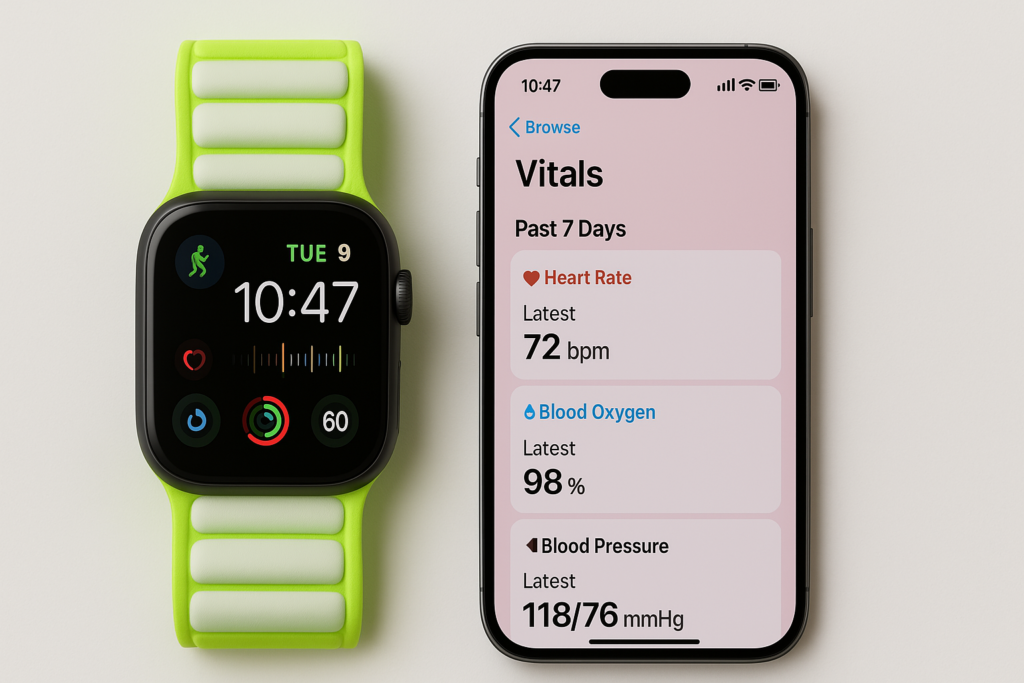
Wearable technology has already changed the way people track their health, fitness, and daily activity. From heart rate tracking to ECG monitoring and blood oxygen measurement, Apple has consistently pushed the boundaries of health-focused innovation. Now, the tech giant is reportedly focusing on the next major breakthrough — blood pressure monitoring.
If successful, this feature could revolutionize preventive healthcare and further strengthen Apple’s position in the wearable health technology industry.
Apple’s Growing Focus on Health Technology
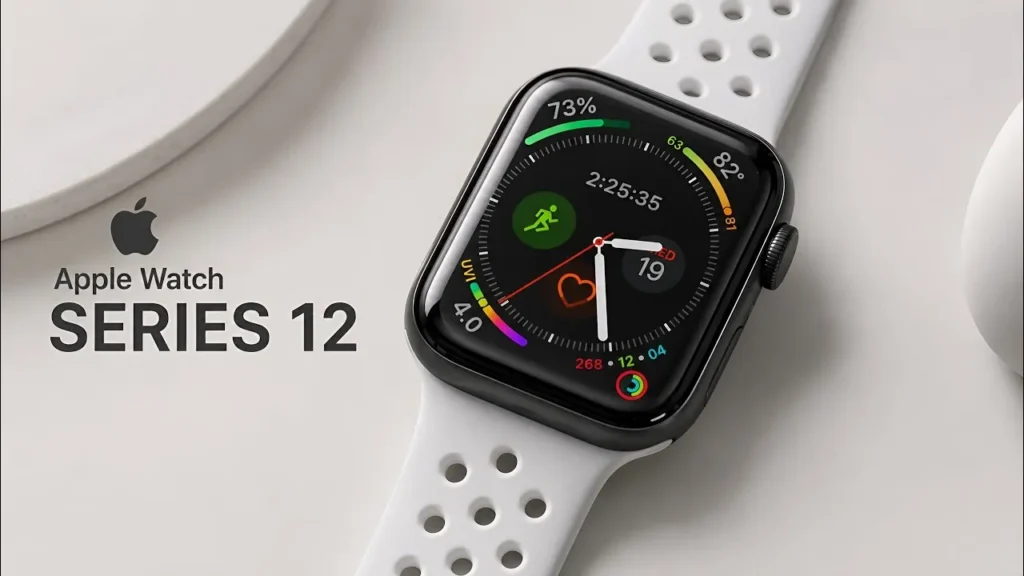
Over the past few years, Apple has transformed the Apple Watch from a simple smartwatch into a powerful health companion. Features like fall detection, sleep tracking, ECG readings, and irregular heart rhythm notifications have made the device increasingly valuable for users focused on wellness and early health monitoring.
Blood pressure monitoring appears to be Apple’s next ambitious goal. According to industry reports, the company is developing technology capable of detecting signs of hypertension without requiring a traditional cuff-based monitor.
This innovation could make health tracking more convenient, accessible, and continuous for millions of users worldwide.
Why Blood Pressure Monitoring Matters
High blood pressure, also known as hypertension, is one of the most common health conditions globally. Many people are unaware they have it because symptoms often go unnoticed until serious complications arise.
Monitoring blood pressure regularly can help reduce the risk of:
- Heart disease
- Stroke
- Kidney problems
- Cardiovascular complications
Traditional blood pressure devices require a cuff and manual readings. Apple’s potential wearable solution could simplify this process dramatically by integrating monitoring directly into the Apple Watch.
How Apple’s Blood Pressure Technology May Work
While Apple has not officially revealed full details, reports suggest the company is working on sensors that can detect blood pressure trends and warn users about possible hypertension risks.
Instead of providing exact systolic and diastolic numbers immediately, early versions may focus on identifying abnormal blood pressure patterns and sending alerts when significant changes are detected.
This approach could still provide substantial health benefits by encouraging users to seek medical attention earlier.
The Future of Smart Health Wearables
The wearable health technology market is growing rapidly, and consumers increasingly expect smart devices to deliver advanced wellness features.
Apple’s investment in blood pressure monitoring reflects broader trends in digital healthcare, including:
Preventive Healthcare
Wearables help users identify health issues before they become severe.
Real-Time Health Tracking
Continuous monitoring provides valuable health insights throughout the day.
Personalized Wellness
Health data enables users to make smarter lifestyle decisions related to exercise, diet, and sleep.
Remote Healthcare Support
Doctors may eventually use wearable-generated data to monitor patients more effectively.
Challenges Apple Could Face
Although the technology sounds promising, developing accurate cuffless blood pressure monitoring is extremely challenging.
Some major obstacles include:
- Achieving medical-grade accuracy
- Meeting regulatory approvals
- Reducing false alerts
- Ensuring consistent readings across different users
Healthcare experts emphasize that accuracy is critical because inaccurate blood pressure readings could create unnecessary concern or missed warnings.
Apple will likely continue refining the technology before offering it publicly.
What This Means for Apple Watch Users
If Apple successfully introduces reliable blood pressure monitoring, the Apple Watch could become an even more essential health device.
Potential benefits for users include:
- Easier health management
- Early hypertension detection
- Improved wellness awareness
- Better communication with healthcare providers
- Increased motivation for healthy habits
This advancement could also attract older adults and health-conscious consumers looking for convenient monitoring solutions.
Apple’s Competitive Advantage in Wearable Health
Apple already leads the smartwatch market, but advanced health features are becoming one of its strongest competitive advantages.
By focusing on healthcare innovation, Apple is positioning itself not only as a technology company but also as a major player in digital wellness and preventive medicine.
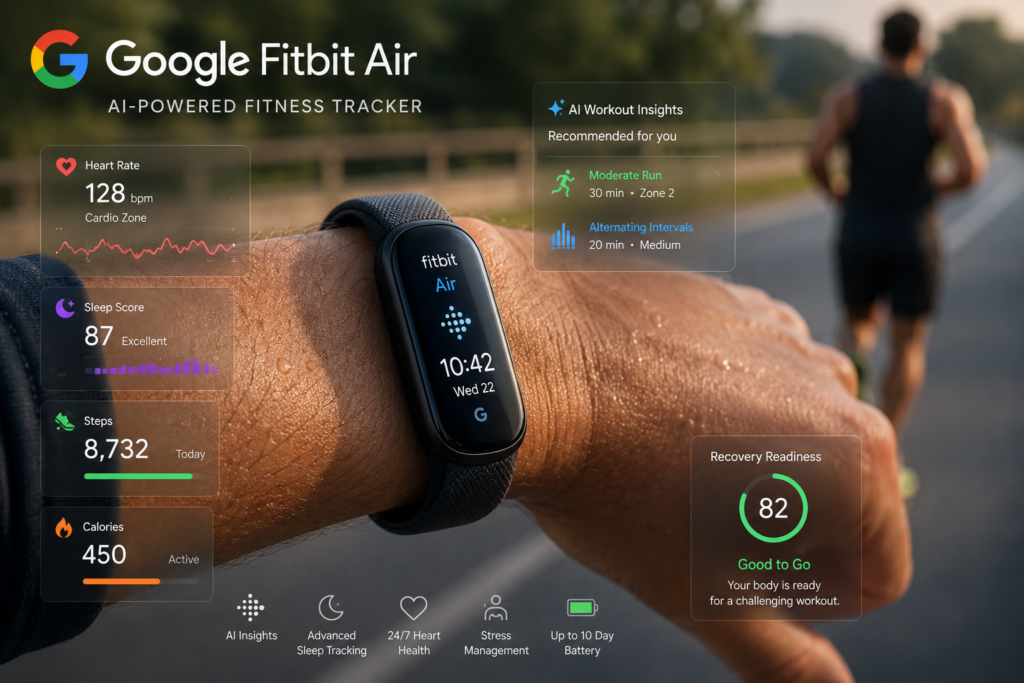
Competitors like Samsung, Fitbit, and Garmin are also exploring advanced health monitoring tools, making this an increasingly competitive space.
The Future of Wearable Healthcare
The future of wearable technology is moving far beyond fitness tracking. Devices are evolving into powerful health-monitoring tools capable of assisting with early diagnosis and long-term wellness management.
Blood pressure monitoring could be one of the most impactful innovations yet.
As technology improves, wearables may eventually help users monitor:
- Blood glucose levels
- Hydration status
- Stress responses
- Respiratory health
- Advanced cardiovascular metrics
Apple’s continued investment in health technology suggests that the company sees healthcare as a major part of its future.
Final Thoughts
Apple’s pursuit of blood pressure monitoring technology highlights the growing connection between healthcare and consumer technology. Although challenges remain, the potential benefits are enormous.
If Apple succeeds, future Apple Watch models could become indispensable tools for preventive healthcare, helping millions of people monitor their wellness more effectively.
The future of wearable health technology is approaching quickly, and Apple appears determined to lead the way.