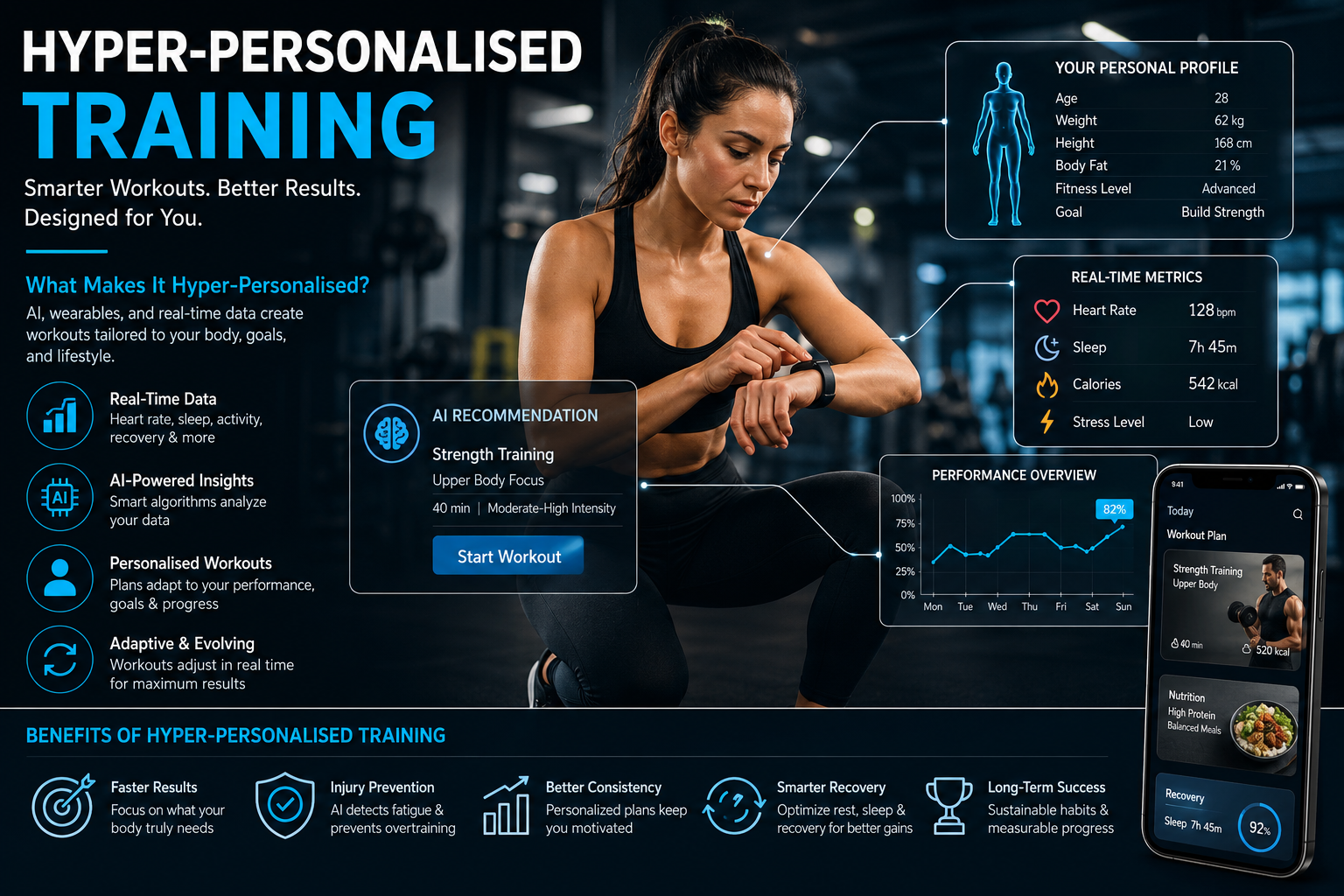
The fitness industry is evolving rapidly, and one trend is leading the transformation: hyper-personalised training. Traditional workout plans are no longer enough for users who want smarter, faster, and more effective results. Today’s fitness enthusiasts expect workouts tailored specifically to their body type, goals, recovery rate, health metrics, and lifestyle.
Powered by artificial intelligence (AI), wearable technology, and real-time health data, hyper-personalised fitness is redefining how people train, recover, and achieve long-term wellness goals.
In this article, we’ll explore what hyper-personalised training is, how it works, its benefits, and why it represents the future of fitness technology.
What Is Hyper-Personalised Training?
Hyper-personalised training refers to a fitness approach that uses advanced technologies and individual user data to create highly customized workout programs. Unlike generic fitness plans, these systems continuously adapt based on real-time feedback and performance metrics.
Modern fitness platforms analyze data such as:
- Heart rate
- Sleep quality
- Body composition
- Recovery levels
- Workout history
- Stress levels
- Daily activity
- Nutrition patterns
Using this information, AI-driven systems generate personalized workout recommendations designed specifically for each individual.
How Hyper-Personalised Training Works
1. Wearable Technology Integration
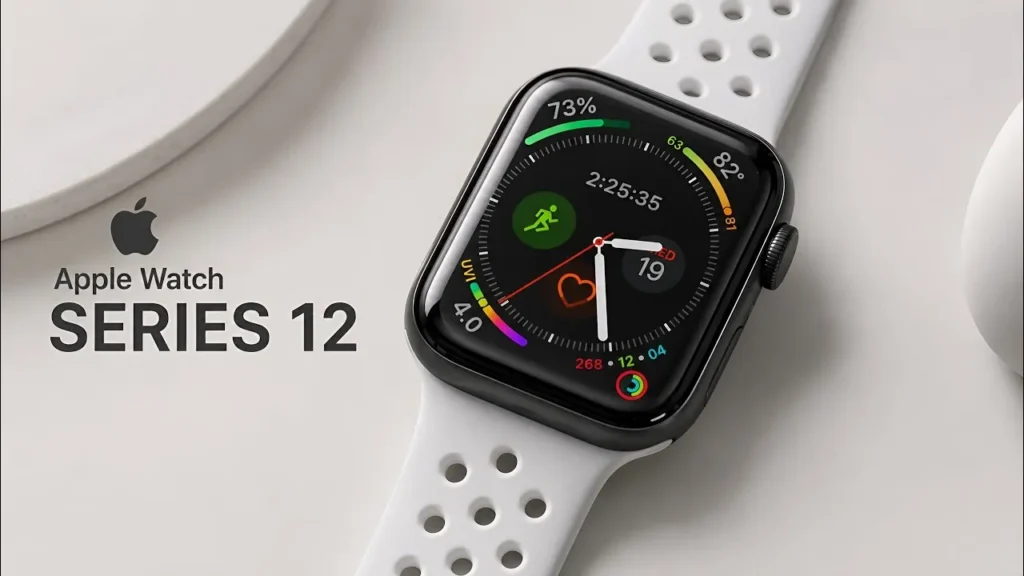
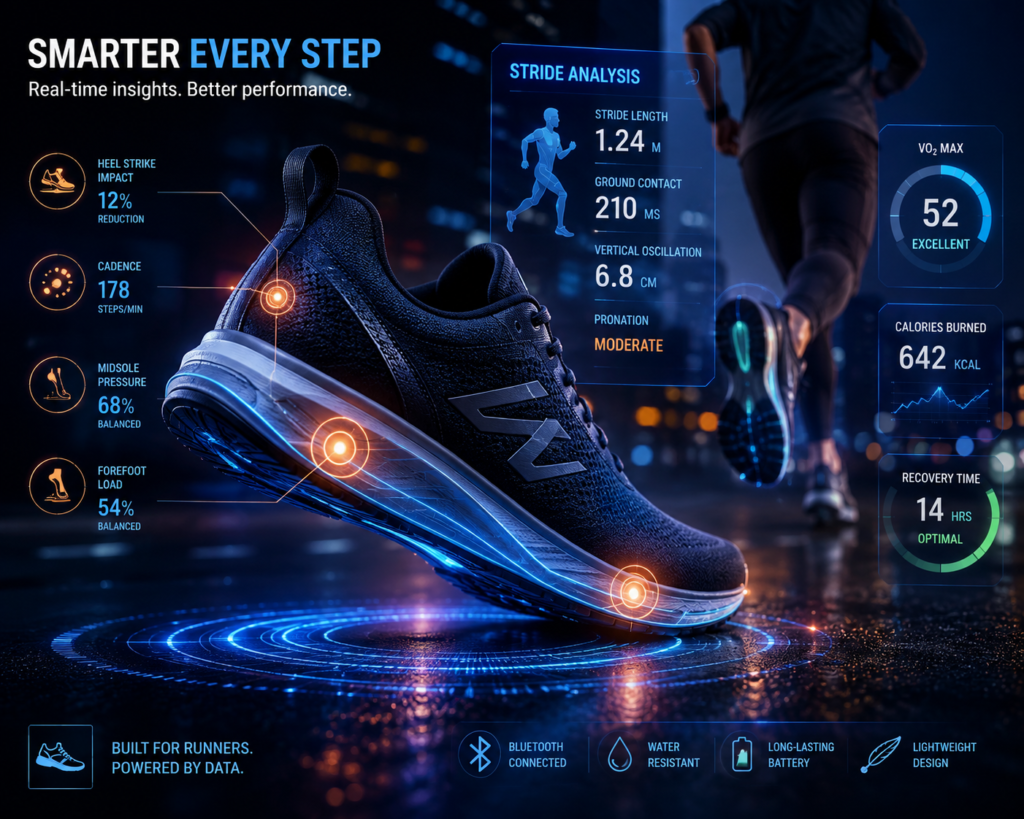
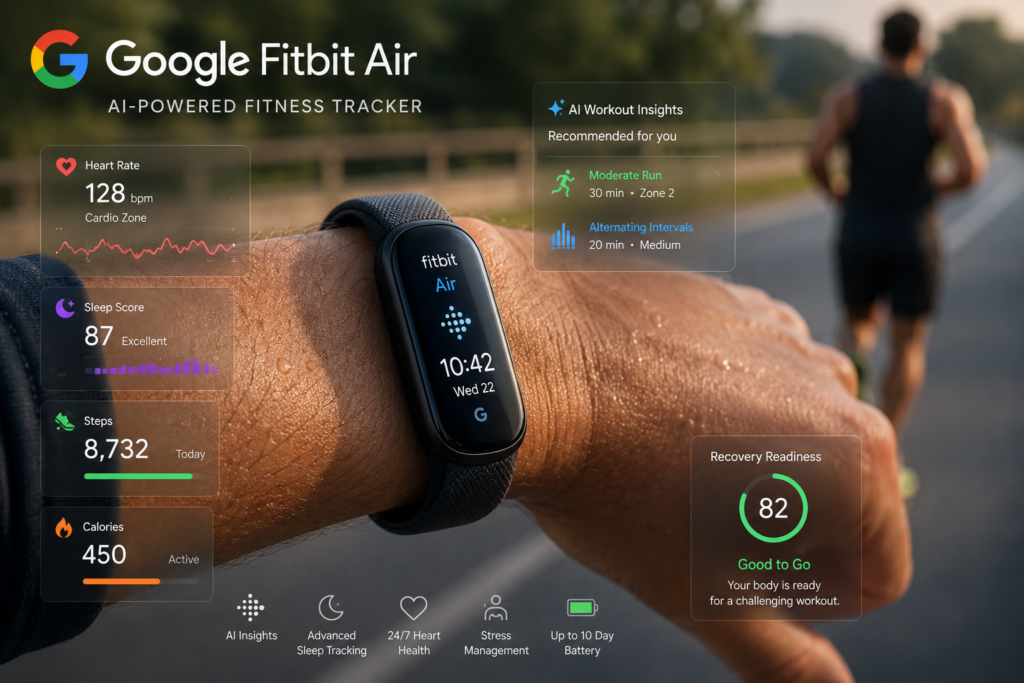
Devices like smartwatches and fitness trackers collect real-time health data throughout the day. Metrics such as calories burned, heart rate variability, sleep patterns, and movement are analyzed to understand the user’s physical condition.
Popular wearable technologies include:
- Smart fitness watches
- Heart rate monitors
- Smart rings
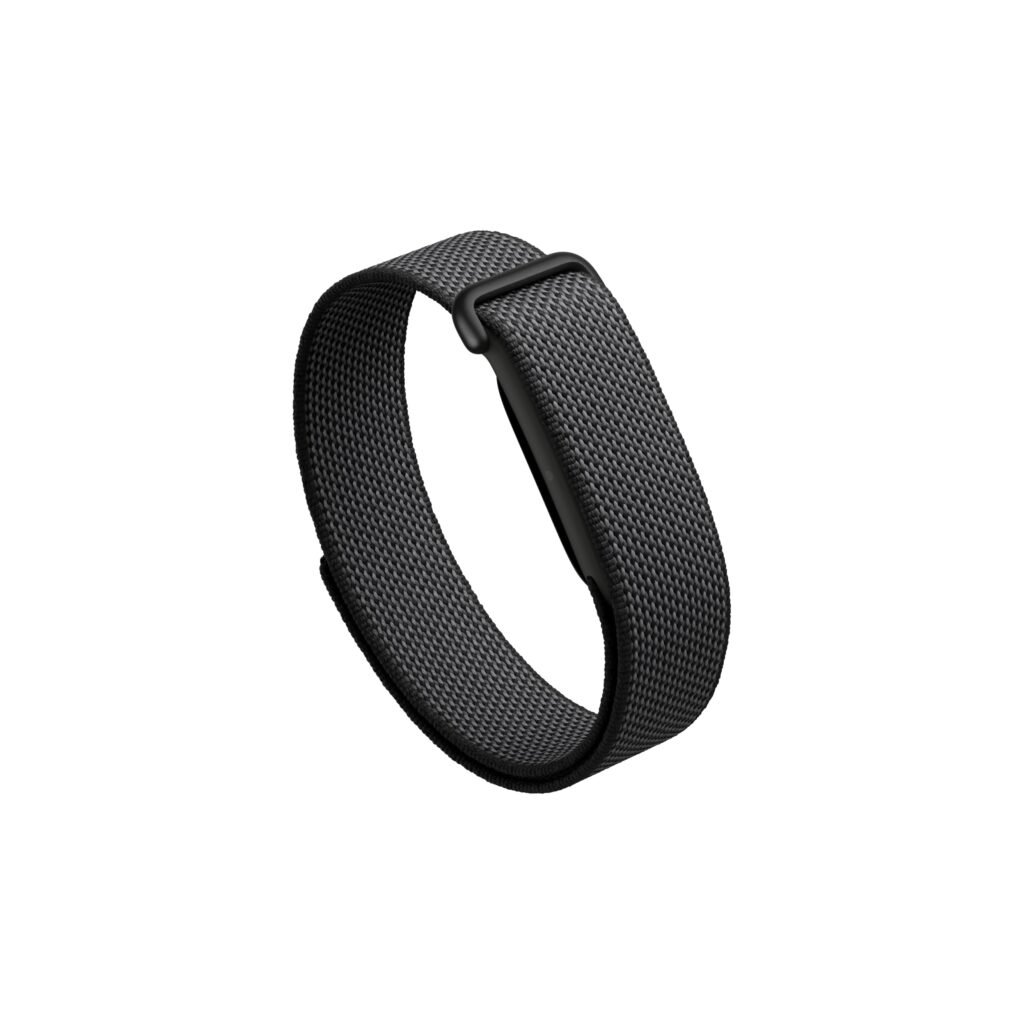
- Fitness bands
- AI-powered gym equipment
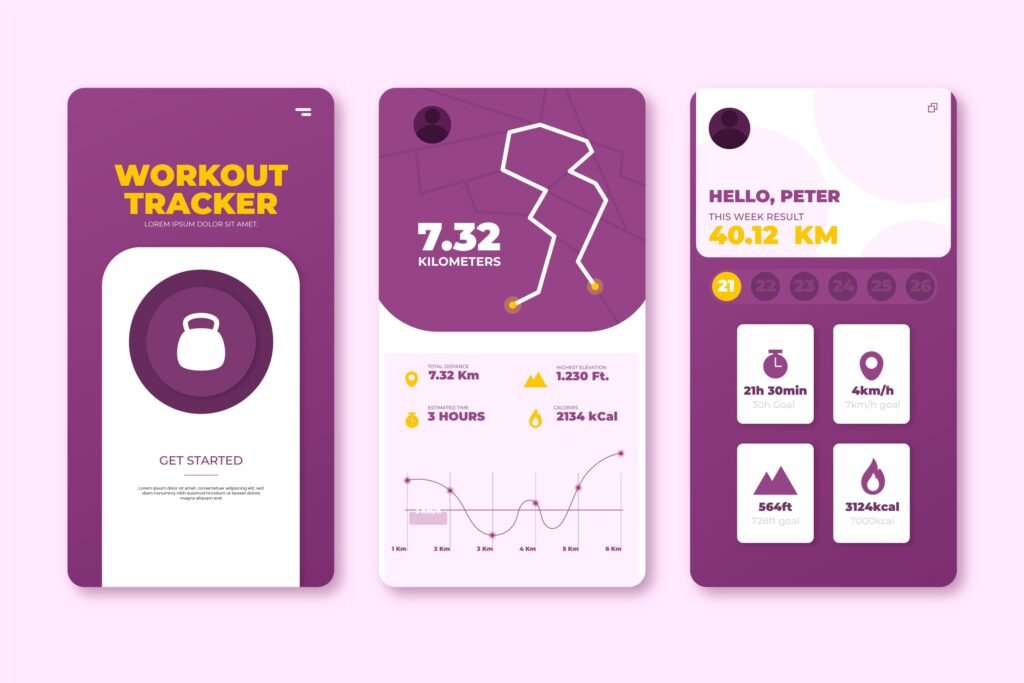
These devices help fitness apps create adaptive workout routines that evolve over time.
2. AI-Powered Fitness Algorithms
Artificial intelligence plays a major role in hyper-personalised training. AI systems evaluate user performance and adjust workouts automatically.
For example:
- If recovery levels are low, the app may recommend lighter exercises.
- If strength improves, resistance levels may increase.
- If the user misses workouts, schedules can adapt accordingly.
This intelligent adaptation creates a more efficient and sustainable fitness experience.
3. Real-Time Feedback and Coaching
Many advanced fitness apps now offer real-time guidance during workouts. Users receive instant feedback on:
- Exercise form
- Repetition quality
- Pace
- Intensity
- Recovery periods
This virtual coaching experience helps users avoid injuries and improve workout efficiency.
Benefits of Hyper-Personalised Training
Improved Workout Results
Personalized programs are designed around individual strengths and weaknesses, making workouts more effective than generic plans.
Users often experience:
- Faster progress
- Better endurance
- Increased motivation
- Improved consistency
Better Injury Prevention
Hyper-personalised systems monitor fatigue and recovery to reduce overtraining risks. Smart recommendations can help users avoid excessive strain and burnout.
Higher User Engagement
People are more likely to stay committed to workouts that feel tailored specifically to them. Personalized experiences improve motivation and long-term adherence.
Smarter Recovery Management
Recovery is becoming just as important as training itself. AI-driven fitness platforms can recommend:
- Rest days
- Stretching routines
- Sleep optimization
- Hydration reminders
- Recovery-focused exercises
This holistic approach improves overall health and performance.
The Role of AI in the Future of Fitness
Artificial intelligence is becoming the backbone of modern fitness technology. AI systems can analyze massive amounts of health data far faster than humans.
Future AI fitness innovations may include:
- Fully automated workout planning
- Emotion-aware training systems
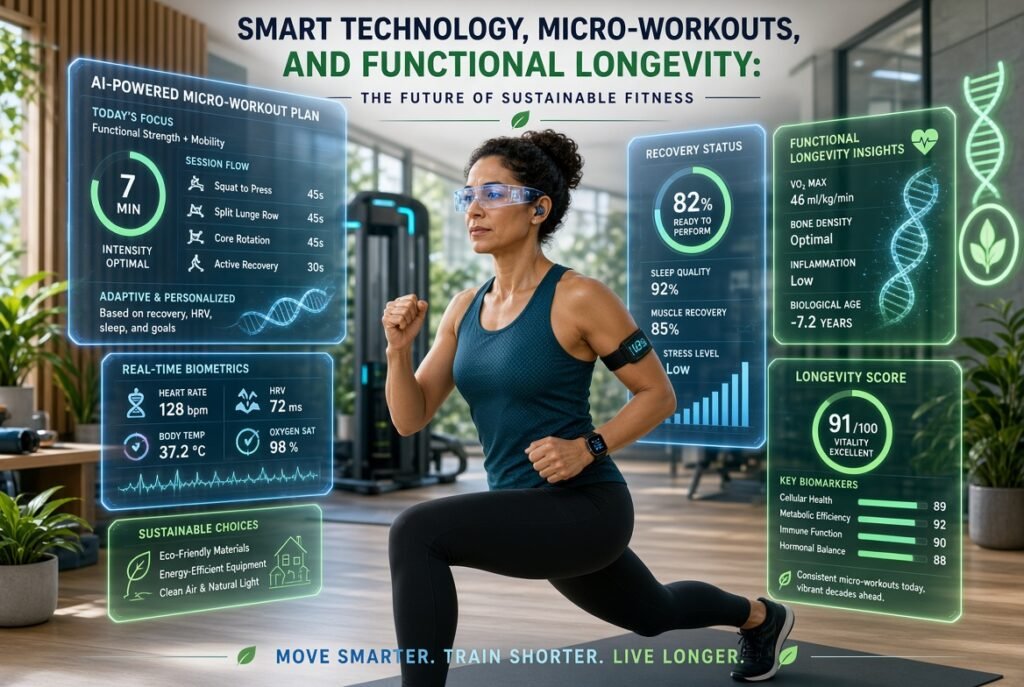
- Real-time biometric analysis
- Virtual AI fitness coaches
- Predictive injury detection
As AI technology evolves, fitness experiences will become even more precise and adaptive.
Hyper-Personalised Training and Wearable Technology
Wearable technology is accelerating the growth of personalized fitness solutions. Smart devices are no longer limited to counting steps—they now provide advanced health insights.
Modern wearables can monitor:
- Blood oxygen levels
- ECG readings
- Recovery scores
- Stress tracking
- Sleep cycles
- Muscle readiness
This data allows training systems to optimize workouts daily.
For related insights, check out our article on the future of wearable health technology.
Why Consumers Prefer Personalized Fitness Experiences
Today’s users expect customization in nearly every digital experience, including fitness.
People want:
- Flexible workout schedules
- Goal-specific routines
- Personalized coaching
- Smart nutrition guidance
- Adaptive fitness recommendations
Hyper-personalised training delivers all of these features while improving convenience and efficiency.
Challenges of Hyper-Personalised Training
Despite its advantages, there are still some challenges:
Data Privacy Concerns
Fitness apps collect sensitive health data, making privacy and security essential.
Device Accuracy
Not all wearables provide perfectly accurate readings.
Subscription Costs
Advanced AI fitness platforms and premium devices can be expensive for some users.
However, technology improvements are expected to make these systems more affordable and accessible over time.
The Future of Hyper-Personalised Fitness
The future of fitness is becoming increasingly data-driven and intelligent. Experts predict that personalized fitness ecosystems will soon integrate with:
- Smart homes
- Healthcare systems
- Nutrition platforms
- Mental wellness apps
- Virtual reality fitness environments
Eventually, fitness programs may adapt instantly based on a user’s physical and emotional condition.
This evolution could completely transform personal health management.
Final Thoughts
Hyper-personalised training is changing the fitness industry by combining AI, wearable technology, and real-time health insights. Instead of relying on generic workout programs, users can now experience training plans tailored specifically to their needs, goals, and lifestyle.
As technology continues to advance, personalized fitness will likely become the standard rather than the exception. From smarter recovery to AI-powered coaching, the future of fitness looks more connected, intelligent, and user-focused than ever before.
For fitness enthusiasts and tech lovers alike, hyper-personalised training represents the next major evolution in health and wellness.
FAQs
What is hyper-personalised training?
Hyper-personalised training is a fitness approach that uses AI, wearable devices, and personal health data to create customized workout and wellness plans.
How does AI improve fitness training?
AI analyzes user performance, recovery, and health data to optimize workouts, improve efficiency, and reduce injury risks.
Are wearable devices necessary for personalized fitness?
Wearables are not mandatory, but they significantly improve data accuracy and personalization by tracking real-time health metrics.
Is hyper-personalised training suitable for beginners?
Yes, personalized fitness systems can adapt workouts for all fitness levels, including beginners.
What are the best devices for personalized fitness tracking?
Popular devices include smartwatches, fitness bands, heart rate monitors, and smart rings that track health and activity data.